

If you’re new to Malaysia, one of the first things you’ll notice is this: food isn’t just something people eat, it’s something people talk about, plan around, and build their daily life on.
What is Malaysian Food?
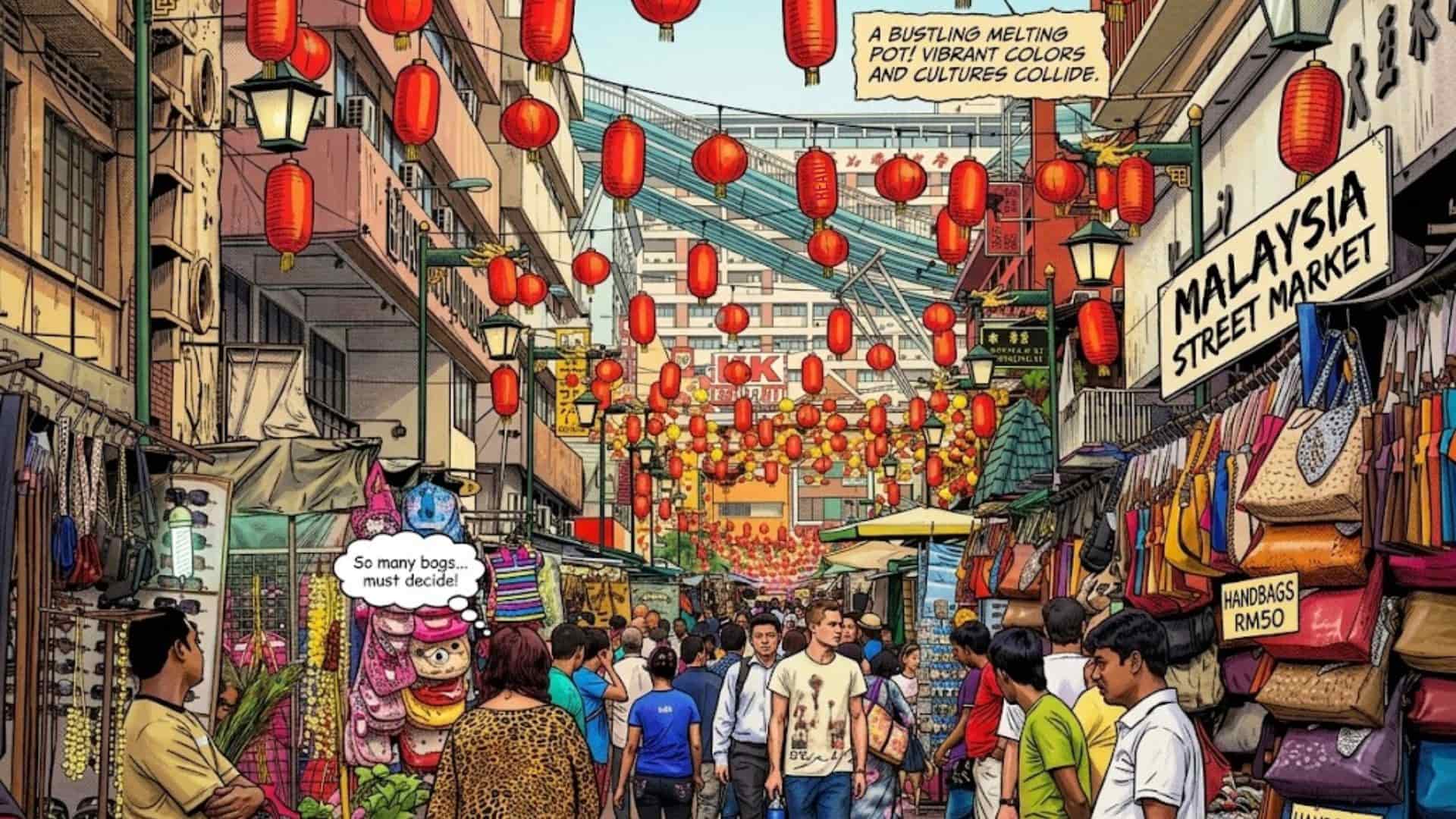
Malaysian food is not a single cuisine, but a combination of many influences. It reflects Malaysia’s multicultural background, where Malay, Chinese, and Indian food traditions have blended over time into something uniquely local.
For someone learning the language or culture, food becomes one of the easiest entry points because it appears in daily conversation, routines, and social life.
What Does “Local Food” Mean in Malaysia?
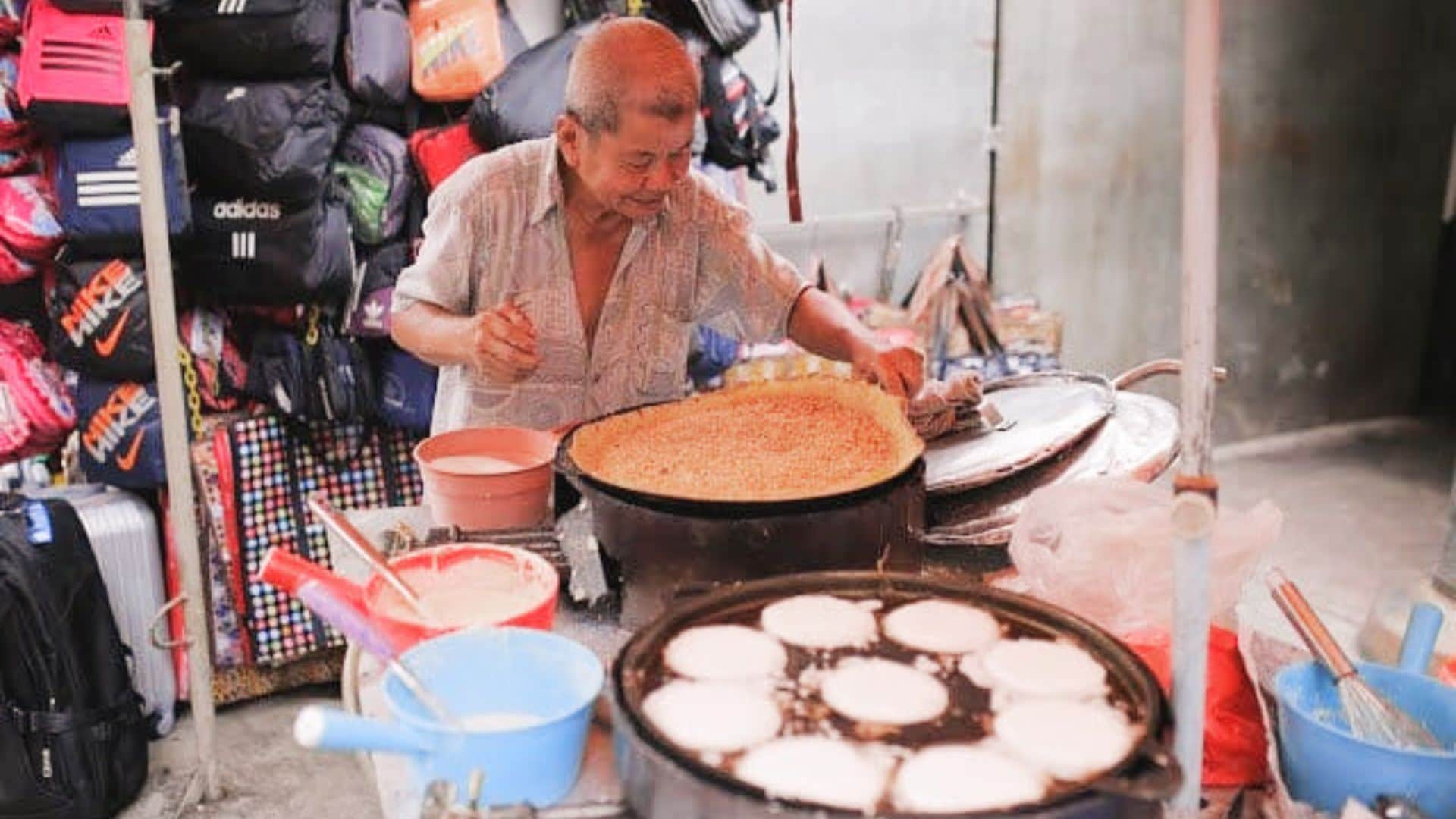
In Malaysia, “local food” is less about traditional recipes and more about everyday eating habits.
When Malaysians say “local food,” they usually mean:
- Affordable, daily meals
- Food found in street stalls or small shops
- Dishes people eat regularly, not just on special occasions
This is why local food is often tied to places, not just dishes. Where you eat matters as much as what you eat.
Is Malaysian Food Halal?
Malaysia is a Muslim-majority country, so halal food is widely available, but not universal.
Here is a simple way to understand it:
Muslim-friendly environments
- Many eateries serve halal food by default
- Malay-owned businesses are typically halal
Mixed environments
- Hawker centres and food courts may have both halal and non-halal stalls
- Pork and alcohol may be present in certain sections
What to look for
- Halal certification logos
- Clear stall signage
- Staff confirmation if unsure
Most visitors and learners can navigate this easily once they understand that food environments may contain a mix rather than a single standard.
Tips: Halal certification can be hard to obtain, so some restaurants label “No pork, No lard” to appeal to Muslim diners. If you’re not strictly observant or just avoid pork, these spots can be worth checking out too!
Malaysian Food by Culture
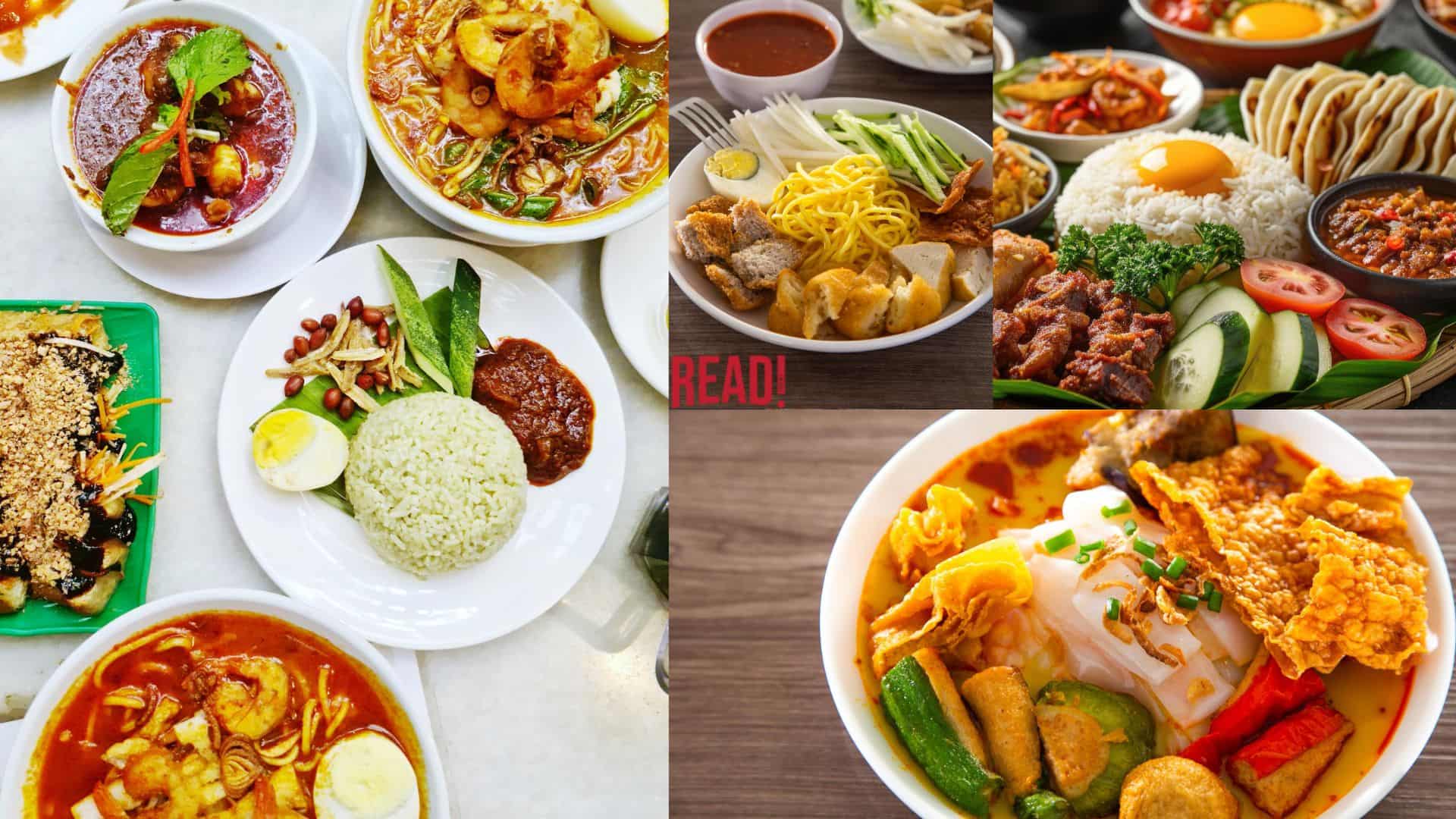
Malaysian food becomes easier to understand when you see it as a mix of cultural influences.
Rather than memorising dishes, it helps to recognise the three main culinary roots that shape what you see across stalls, shops, and menus.
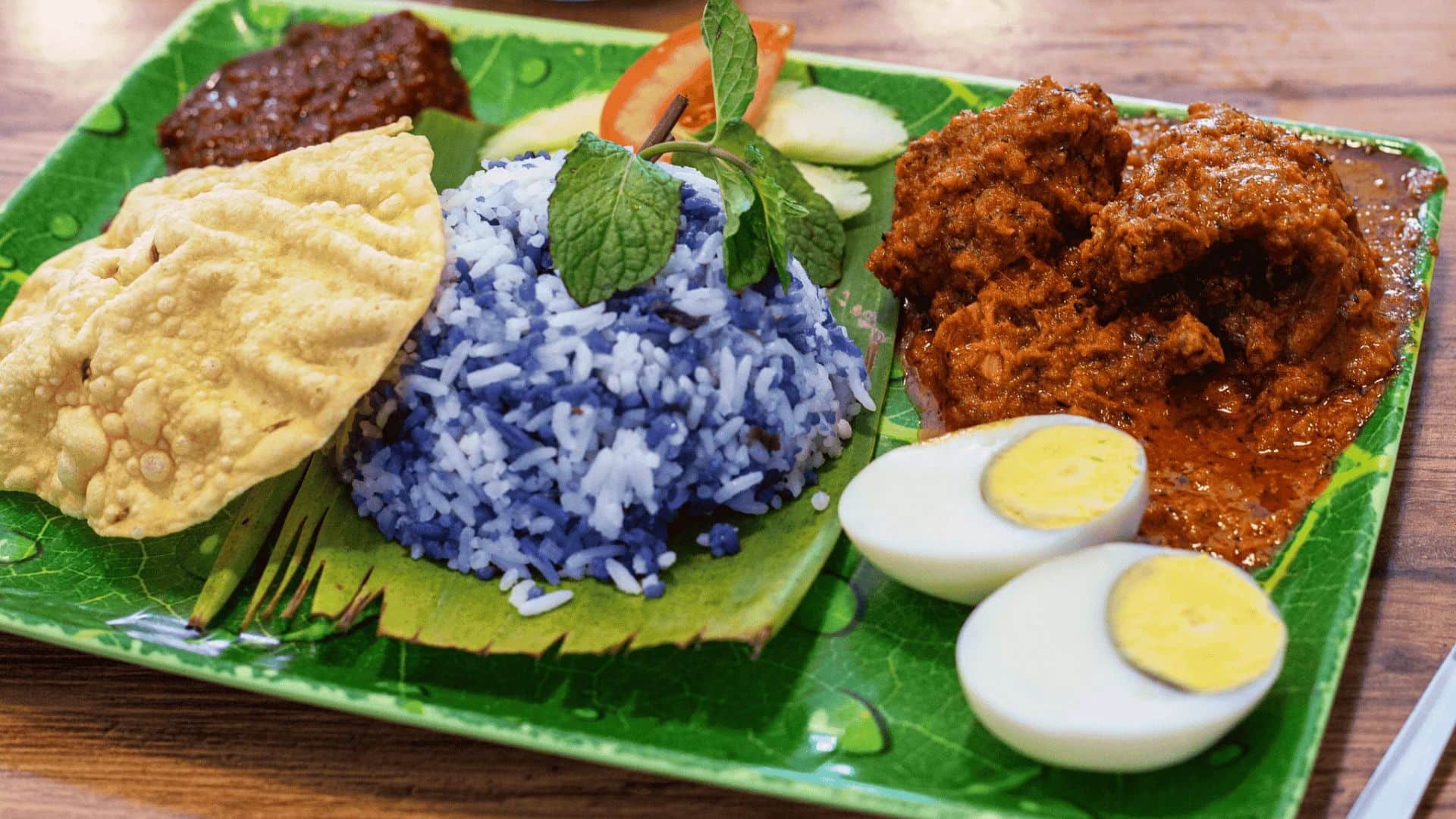
Malay food
- Often rich, spicy, and coconut-based
- Strong use of sambal, herbs, and slow-cooked flavours
- Commonly associated with rice meals and home-style cooking
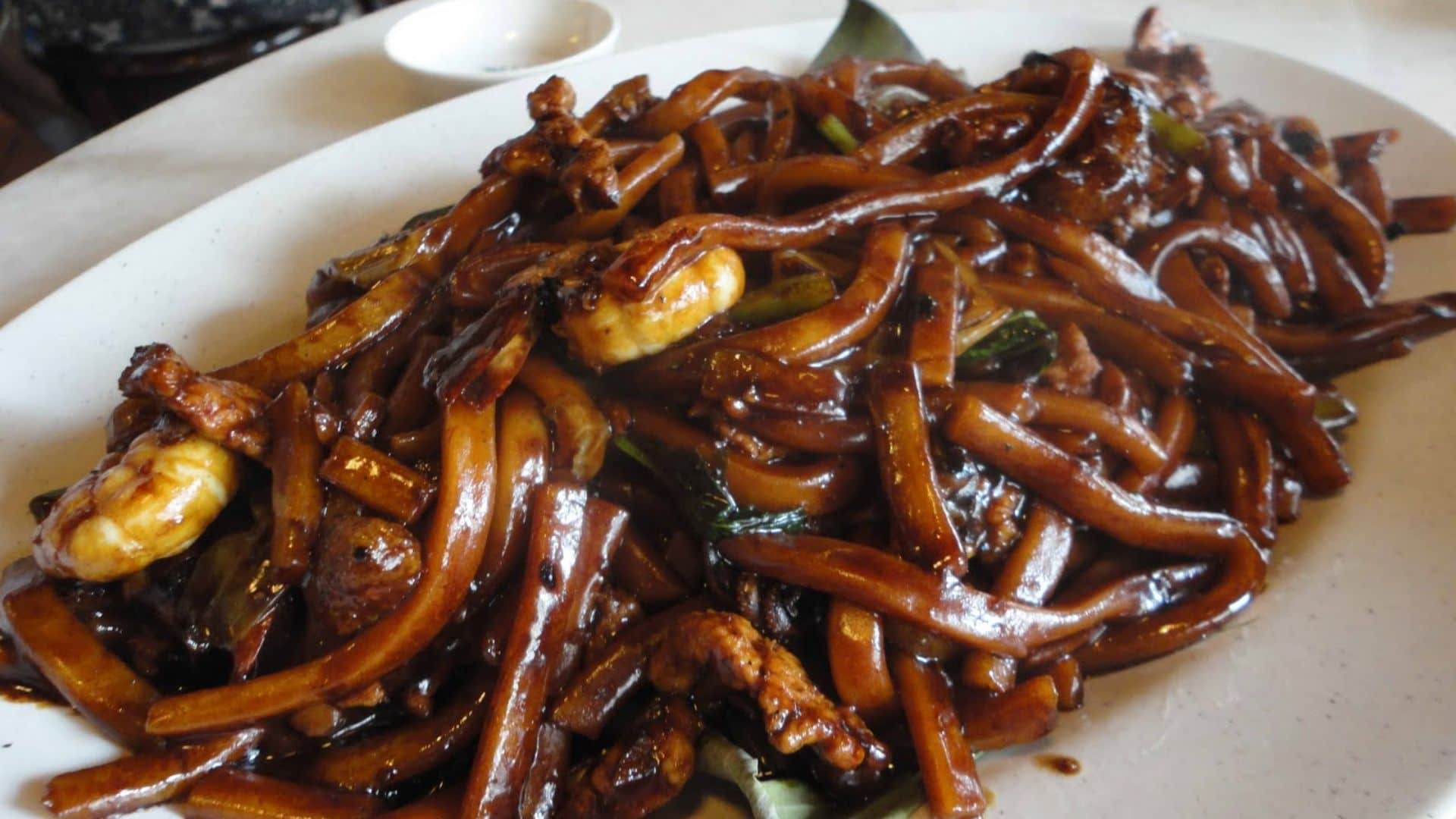
Chinese Malaysian food
- Focus on stir-frying, roasting, and noodle dishes
- Strong emphasis on texture and wok heat (“wok hei”)
- Widely found in hawker stalls and kopitiams
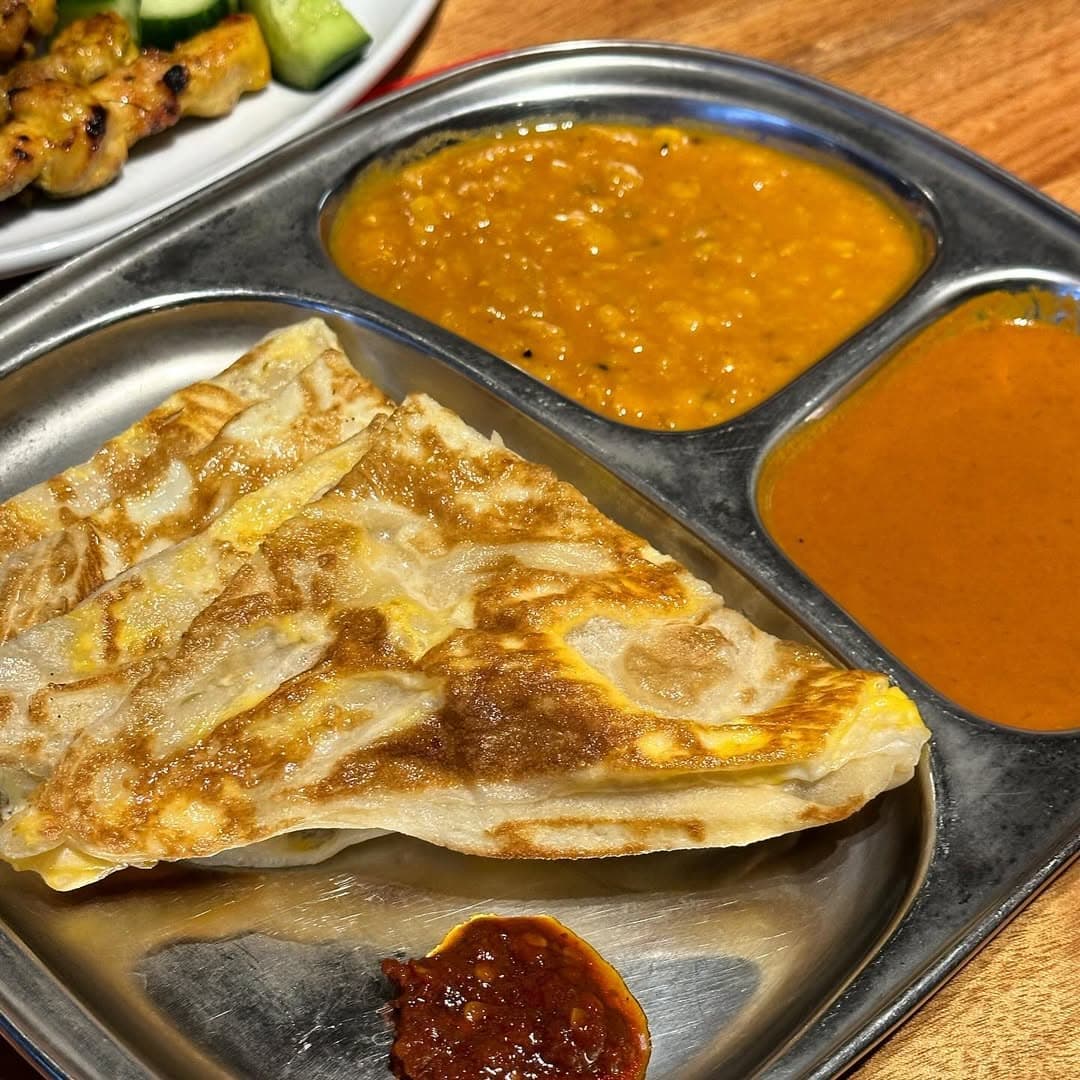
Indian Malaysian food
- Known for bold spices, curries, and flatbreads
- Frequently eaten with hands, especially in traditional settings
- Strong presence in everyday dining, especially in casual eateries
You will rarely experience these as separate categories in real life. Most places blend influences, which is why Malaysian food feels so varied even within a single meal.
Why Food Culture Matters in Malaysia
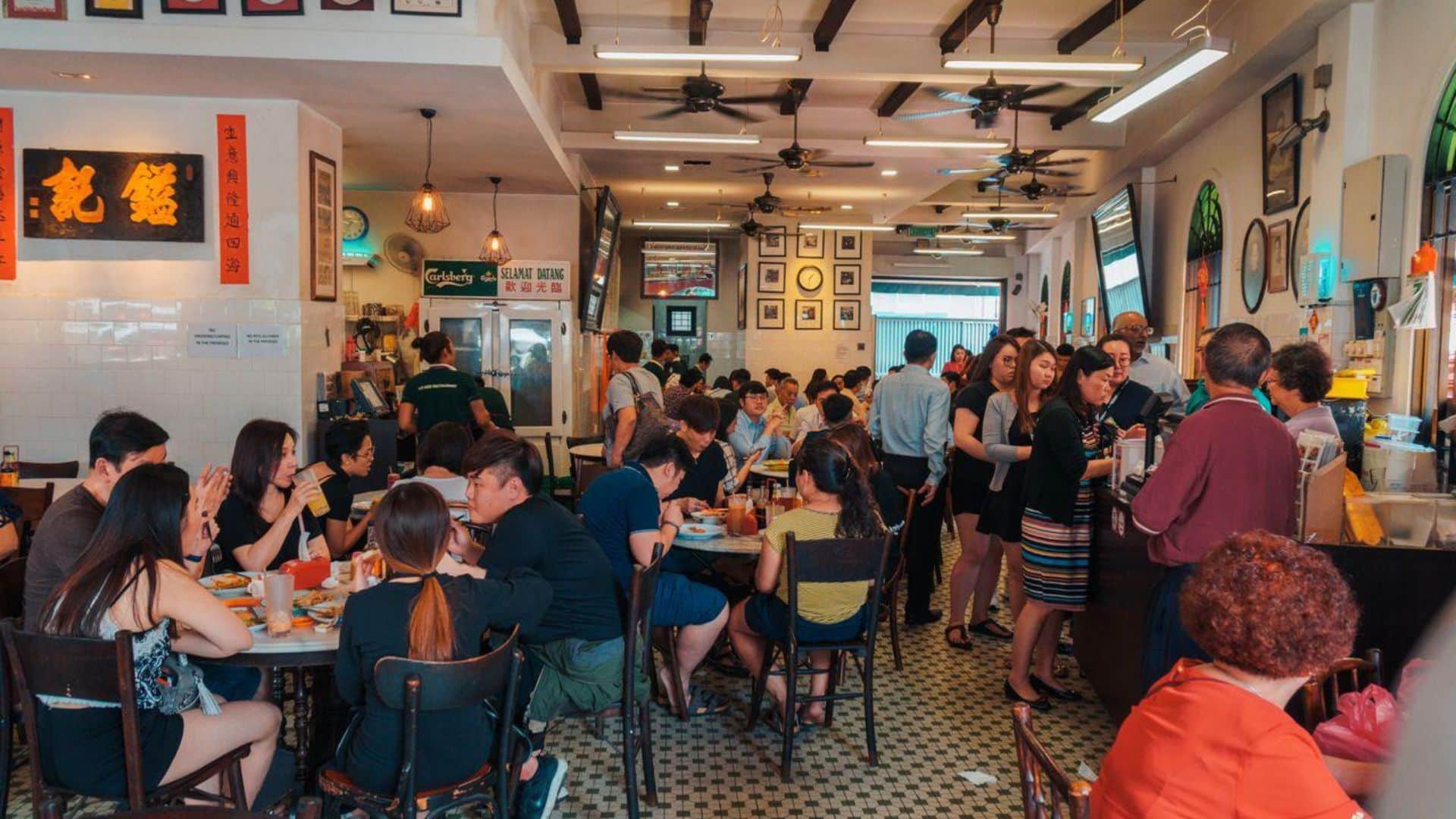
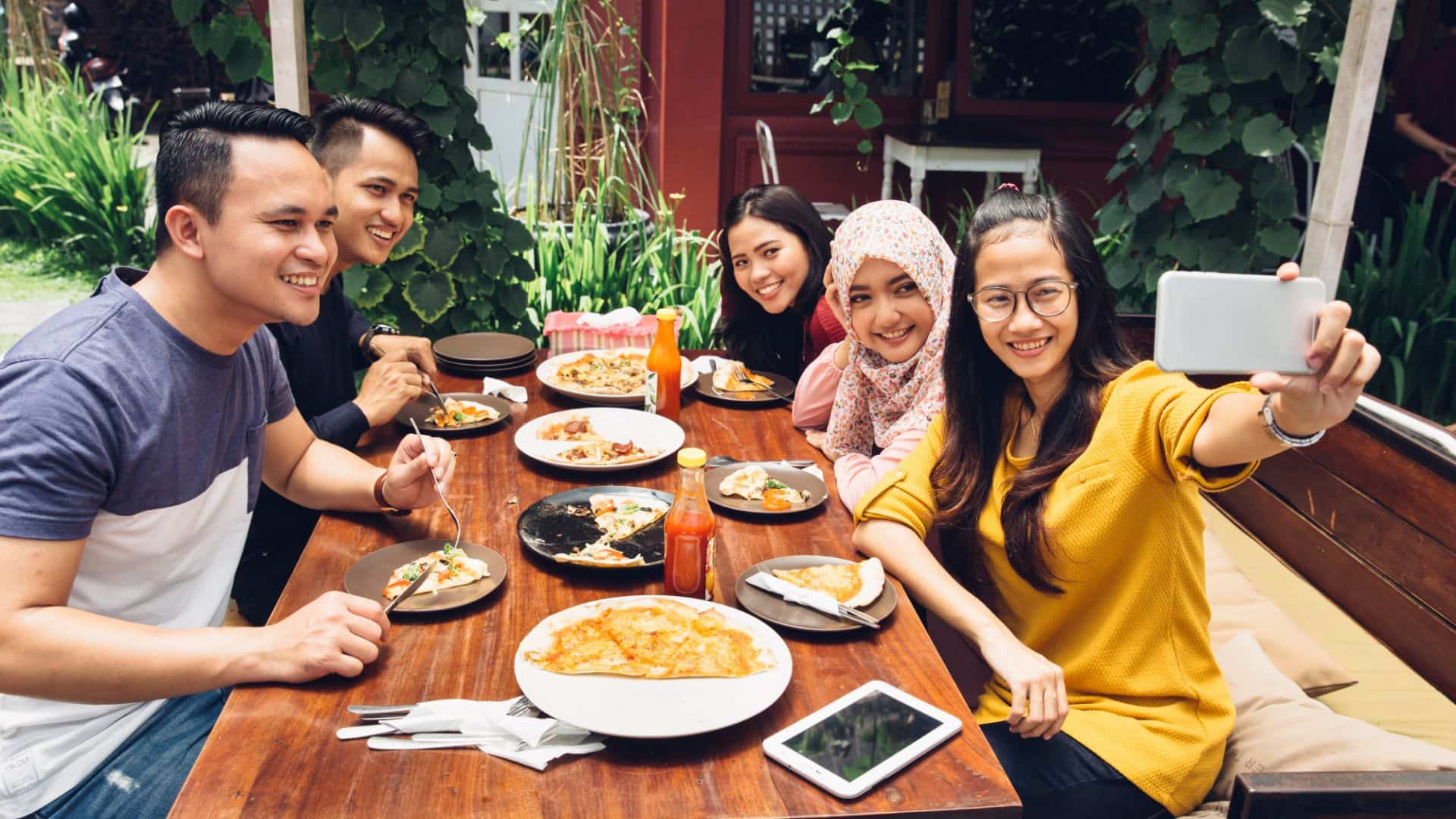
Food in Malaysia is a social habit, not just a necessity.
People don’t just eat to fill up, they eat to connect. It is common to:
- Meet friends over simple meals
- Sit longer than needed just to talk
- Choose food based on mood or time of day
Because of this, food becomes part of communication. Phrases like “Jom makan” (let’s eat) are used casually and frequently.
When Malaysians Eat What
In Malaysia, meals often follow informal daily rhythms shaped by convenience, habit, and availability rather than fixed rules.
Breakfast (morning to late morning)
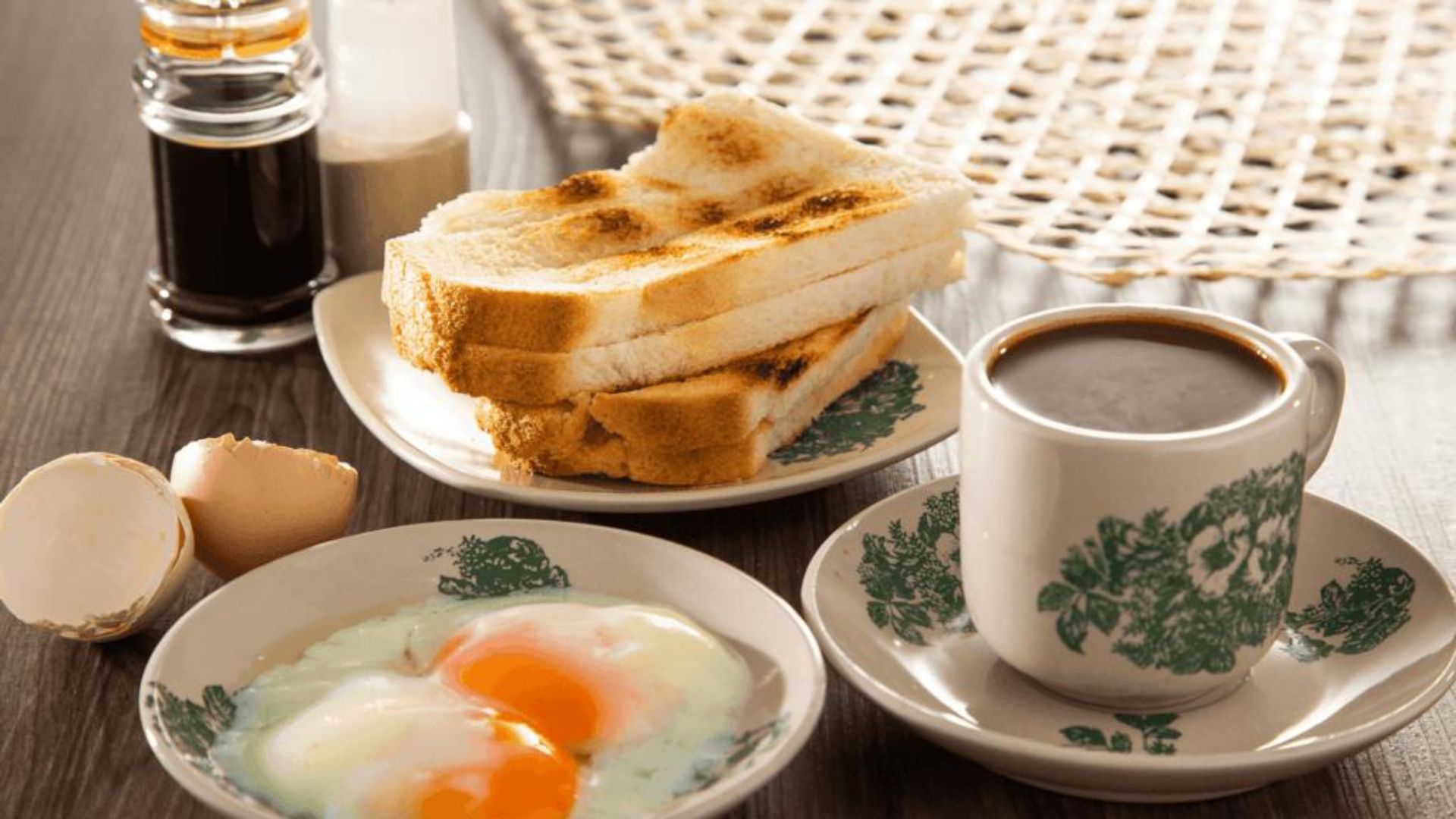
- Light, quick, and often coffee-based
- Commonly eaten in kopitiam settings
- Simple meals and drinks dominate
Lunch (midday)
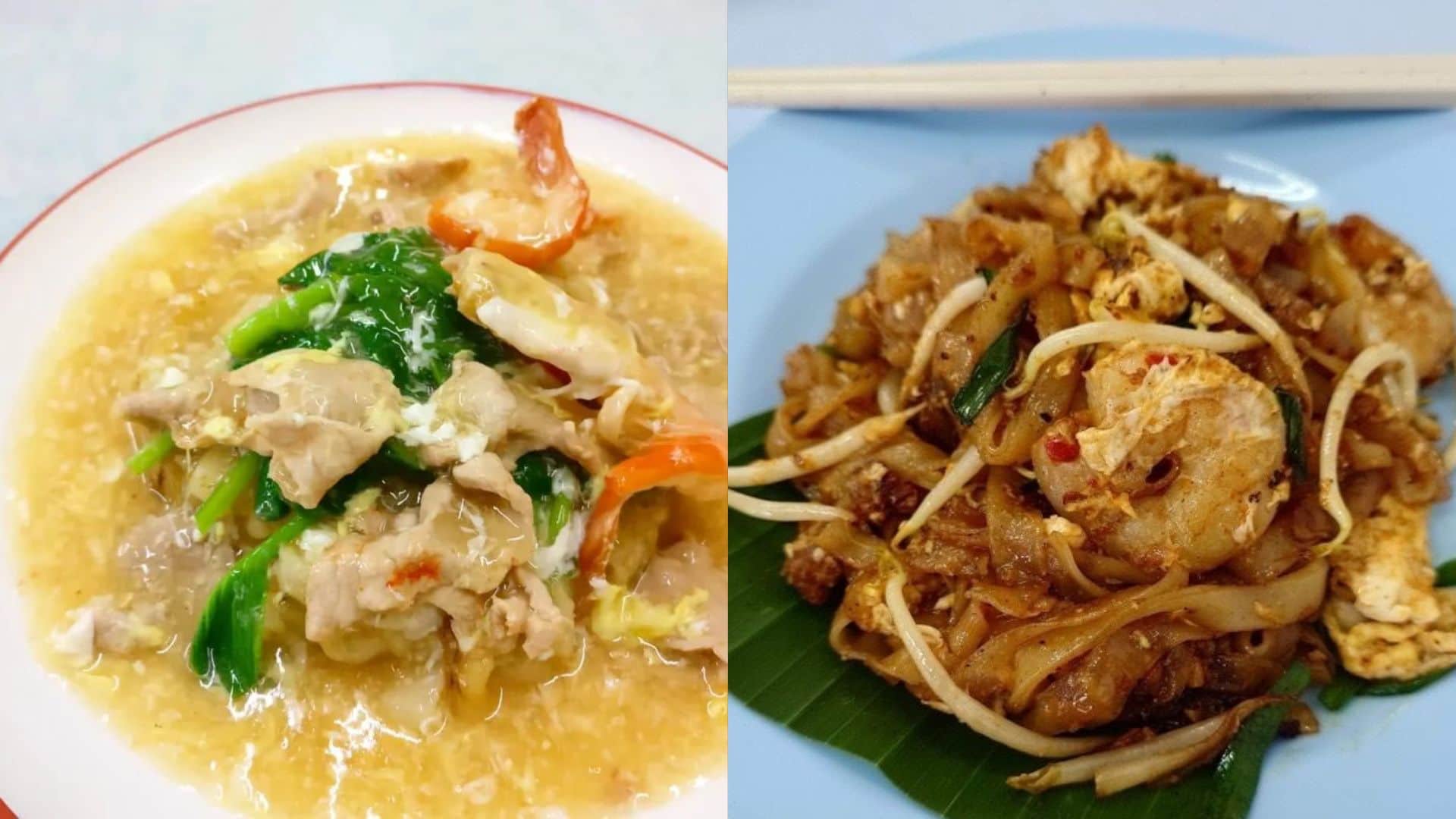
- Heavier meals, usually rice or noodles
- Fast-paced and practical for working hours
- Wide variety available in hawker centres and food courts
Dinner and supper (evening to late night)
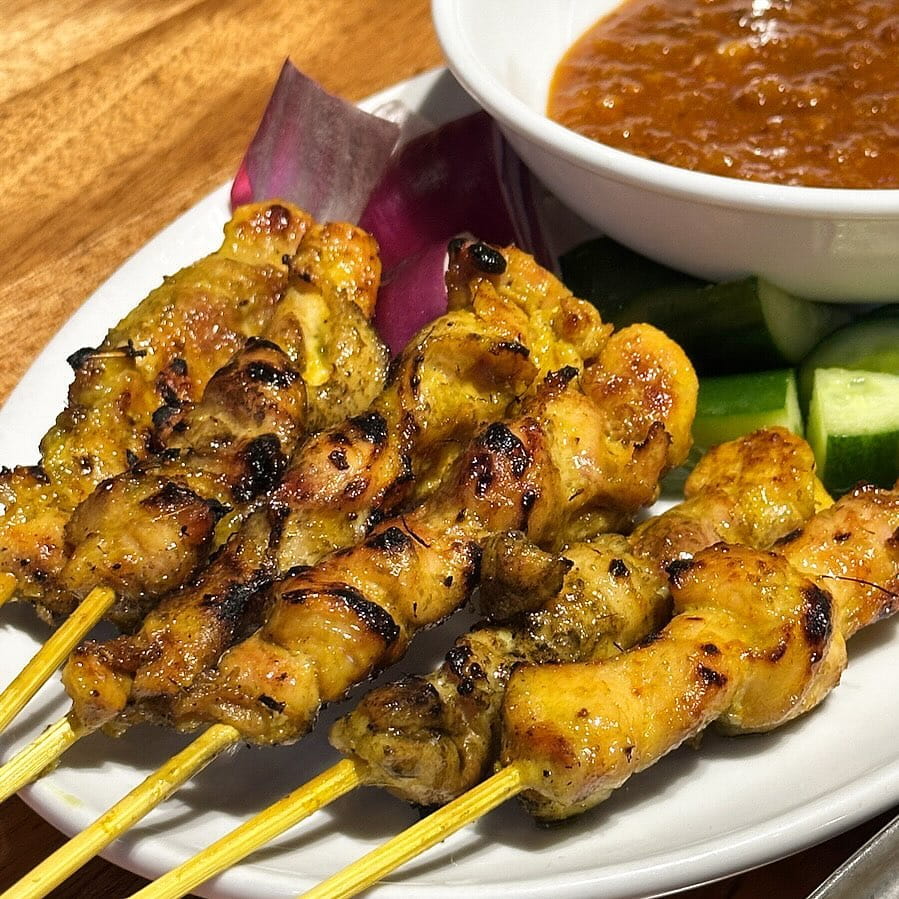
- More relaxed and social
- Supper culture is very common
- This is where mamak-style dining becomes more visible
Fun fact: For Malaysian Chinese, when it rains or the weather turns chilly, it’s time for steamboat (hotpot) or bak kut teh!
Understanding this rhythm helps you decide what to try and when, rather than randomly choosing from a long list of dishes.
Where Malaysians Eat: The Key Food Environments
To understand Malaysian food, you need to understand the environments first.
Two of the most important ones you will hear about are:
- Mamak: Casual, often open late, popular for social meals
- Kopitiam: Traditional coffee shops, usually visited for breakfast or lunch
These are not just places to eat. They shape:
- What food is available
- When people eat
- How people interact
If you want to explore deeper, you can look into how mamak Malaysia food culture works or how kopitiam dining habits differ, as each has its own rhythm and menu style.
Common Malaysian Food Categories
Malaysian food is often grouped into:
- Rice-based meals: Usually heavier, often eaten for lunch or dinner
- Noodle dishes: Quick, flavourful, and widely available
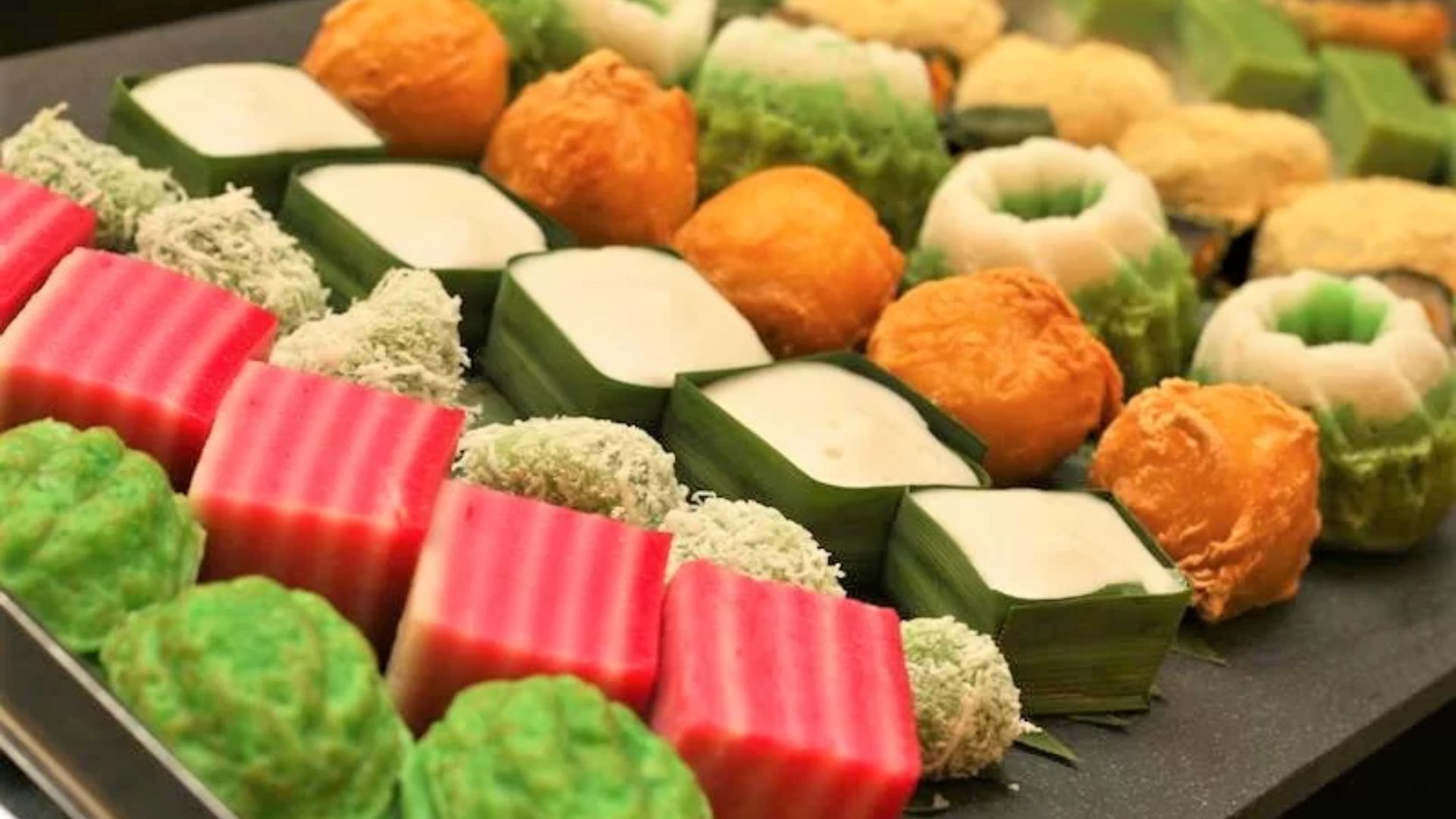
- Snacks and light bites: Found throughout the day
- Drinks culture: Coffee, tea, and iced drinks are a big part of the experience
From here, you will naturally come across well-known dishes like nasi lemak or char kuey teow, which are worth exploring individually in more detail.
Cost of Local Food in Malaysia
One of the biggest advantages of Malaysian food is affordability.
While prices vary by location and setting, local food remains accessible for everyday eating.
Typical price ranges:
- RM5–RM10: Simple meals, snacks, or basic dishes
- RM10–RM20: More complete meals or popular favourites
- RM20+: Larger portions, premium stalls, or tourist-heavy areas
Drinks are usually inexpensive, especially in local settings, which is why it is common to order both food and drinks together.
For learners or travellers, this makes it easy to explore a wide range of Malaysian food without needing a large budget.
How Malaysians Talk About Food
Food language in Malaysia is simple, direct, and location-focused.
Instead of describing ingredients, people usually:
- Recommend specific stalls
- Compare where food tastes better
- Talk about price and portion
You might hear:
- “This place quite good”
- “That stall better. If you want eat this, you go there, there is where local people eat”
- “Cheap and filling (enough full “够饱”)
For learners, this is useful because real-world usage is more important than textbook vocabulary. If you want to go beyond basic phrases and understand how locals actually speak, building a foundation through proper language learning makes these conversations much easier to follow.
How to Order Local Food in Malaysia
Ordering food in Malaysia is usually simple, but it may feel a little different at first.
In many local food settings, especially hawker stalls, ordering is informal and flexible.
Pointing vs Speaking
- Pointing at food or menu items is completely normal
- Short phrases are often enough. For example, ini satu (this, one), berapa? (how much)
- Full sentences are not expected
Common Ordering Phrases You Might Hear or Use
- “This one” or “ini”
- “Take away” or “tapau”
- “Eat here”, “dine in” or “makan sini”
Drink Customisation (Very Common)
- Less sugar: “kurang manis”
- No sugar: “kosong”
- kopi C: “coffee with evaporate milk” (susu cair)
- Iced: “ais”
- Hot: usually default
For language learners, this is a great way to start using real-life phrases, don’t worry too much about perfect grammar.
This is only the starting point, with more detailed drink customisation terms like kopi-O and kopi-C explained in the Guide to Ordering Malaysian Drinks.
Why Malaysian Food is Perfect for Culture & Language Learners
Food connects directly to how Malaysians live and communicate.
By exploring local food, you also learn:
- Everyday expressions and slang
- Cultural mixing in real life
- Social habits and routines
It is one of the fastest ways to move from “understanding Malaysia” to actually experiencing it.
Conclusion
Malaysian food doesn’t need to be mastered all at once.
Start by understanding:
- What “local food” means
- Where people usually eat
- How food fits into daily life
Once you understand these Malaysian patterns, it becomes much easier to go deeper into both food and language. Pairing this with consistent Manglish learning can help you move from understanding menus to actually joining conversations.