
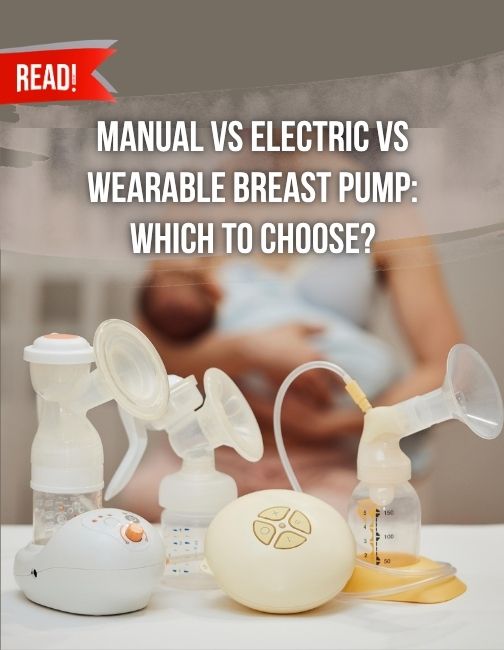
Quick Comparison: Manual vs Electric vs Wearable
Type | Best For | Pros | Cons |
Manual | Occasional pumping, tight budget, travel backup | Lightweight, affordable, no power needed | Slower, more hand fatigue with frequent use |
Electric (Single/Double) | Regular pumping, working mothers, exclusive pumping | Faster, consistent suction, double models save time | Needs charging/power source, tubing to clean |
Wearable / Hands-Free | Multitasking, travel, discretion at work | Fully hands-free, no external tubing | Higher cost, smaller collection cups, battery life varies |
1. Manual Breast Pumps
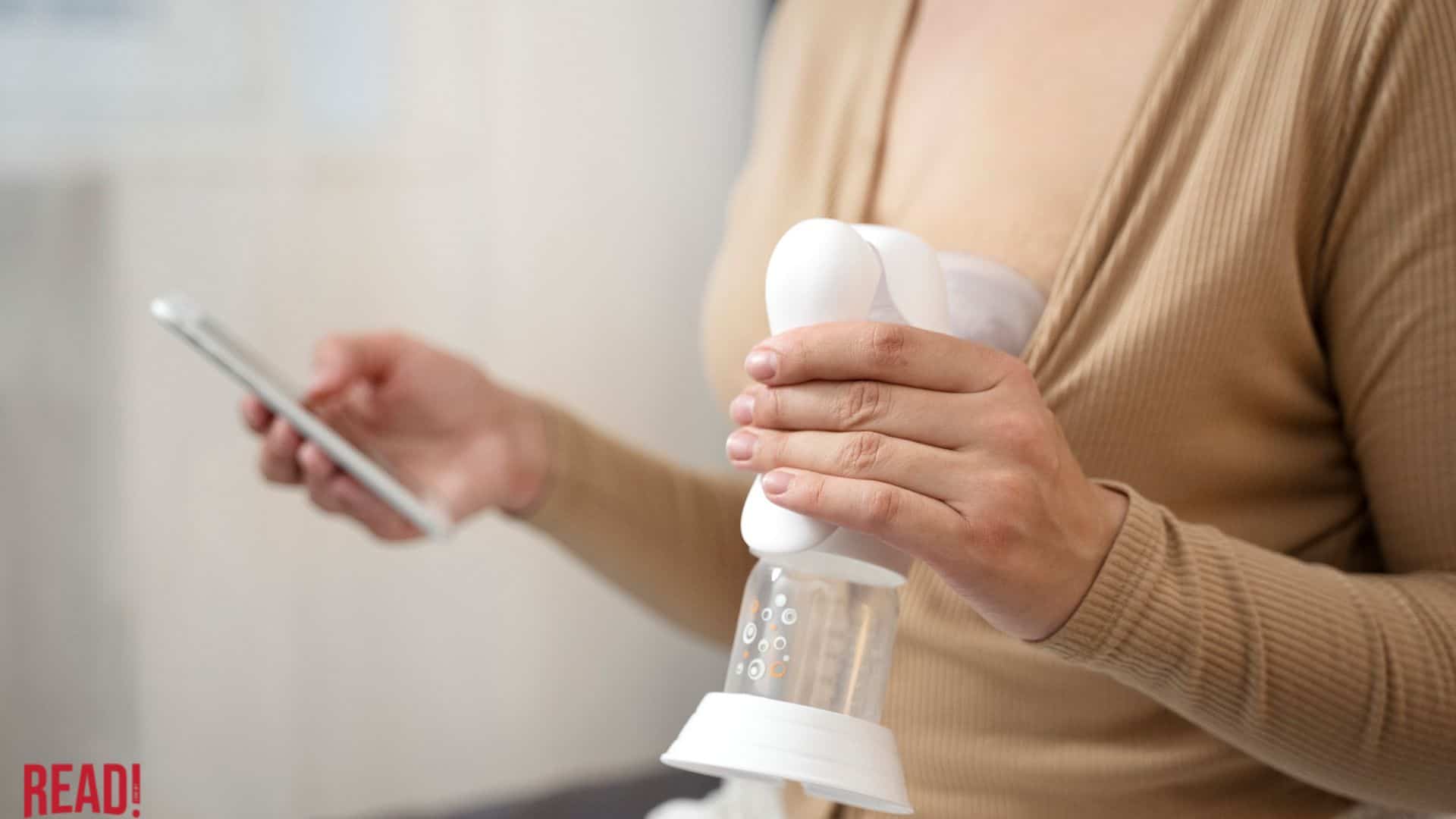
Manual pumps are entirely hand-operated, using a lever or a squeeze-release silicone design. There’s no motor, no battery, and generally no charging cable to lose.
Best Known For: Simplicity, portability, and working without any power source at all.
Suitable For: Mothers who pump occasionally rather than as a daily routine. For example, relieving engorgement, collecting let-down milk from the other breast while nursing, or as a backup pump for travel.
2. Electric Breast Pumps (Single and Double)
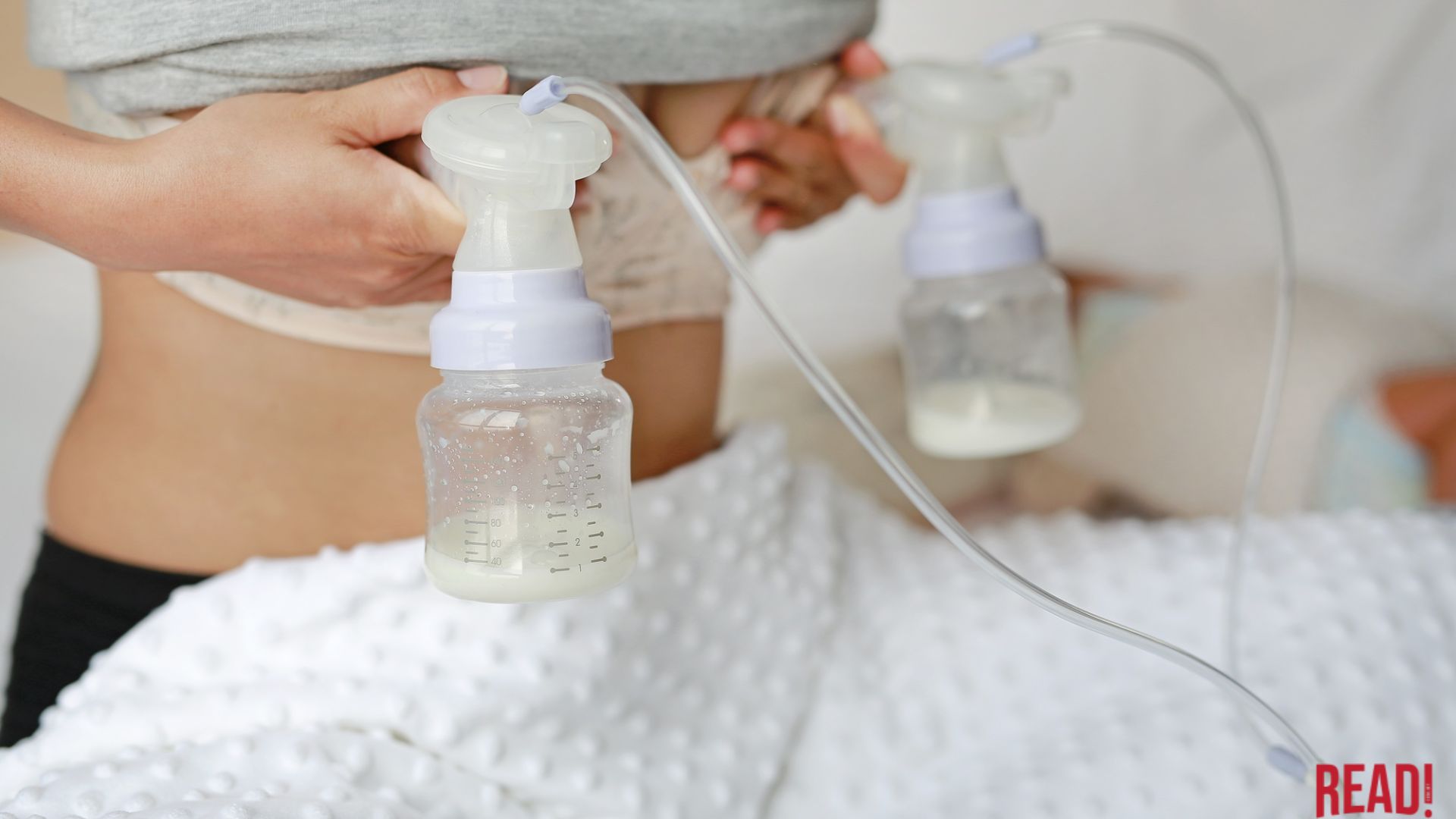
Electric pumps use a motor to automate suction. Single electric pumps express one breast at a time; double electric pumps express both simultaneously, cutting total pumping time significantly.
Best Known For: Speed and consistency, ideal for mothers who need to pump on a schedule, such as during work breaks.
Suitable For: Working mothers, mothers exclusively pumping instead of nursing directly, and anyone pumping more than once a day where time actually matters.
3. Wearable / Hands-Free Breast Pumps
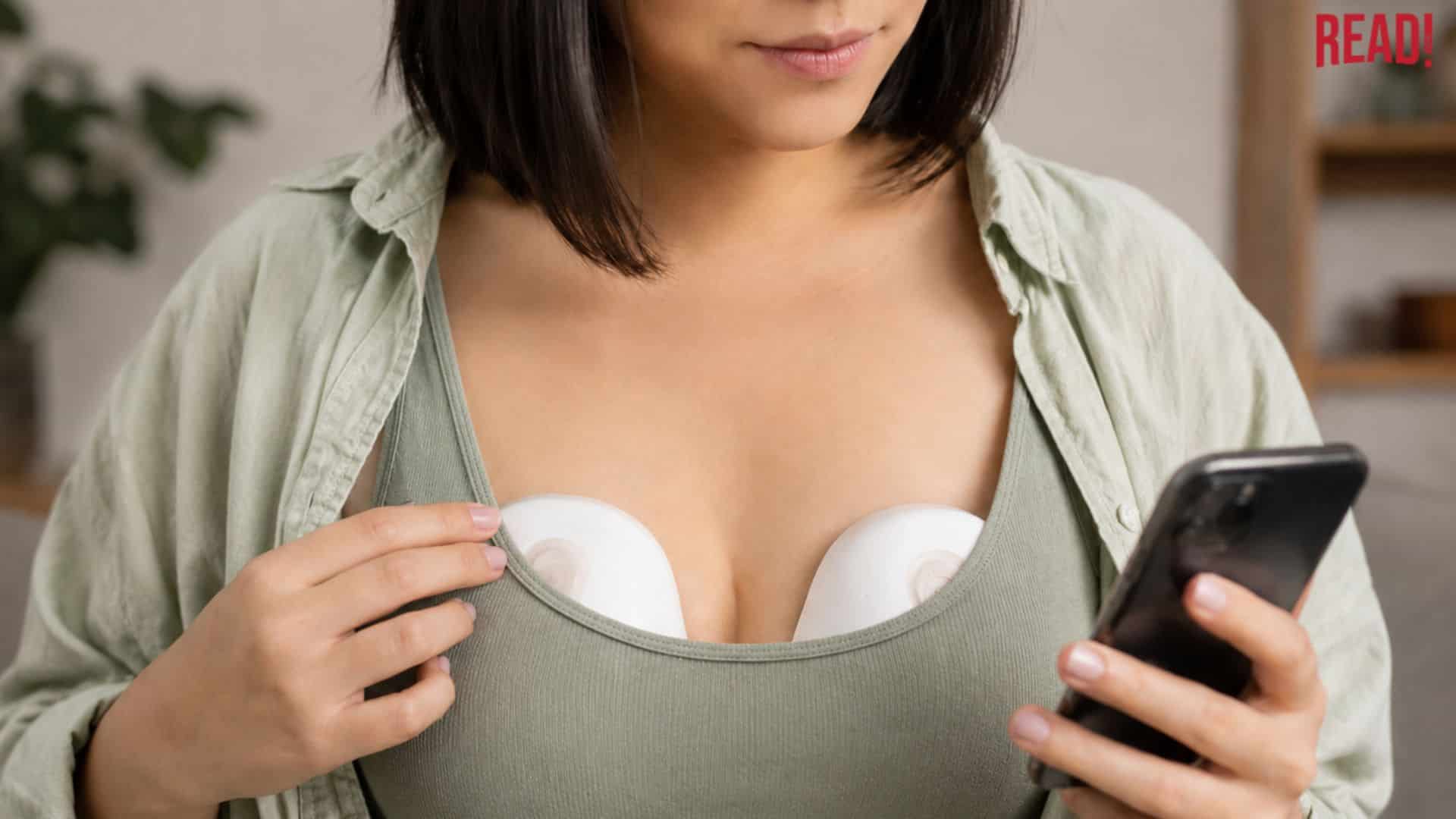
These sit inside a nursing bra with no external tubing connecting to a separate motor unit, letting you move, work, or care for other children while pumping.
Best Known For: Flexibility and discretion, you can pump under normal clothing without anyone noticing.
Suitable For: Mothers juggling multiple tasks during the day, frequent travellers, or anyone who finds sitting still with a standard pump for 15–20 minutes impractical.
How to Choose the Right Breast Pump for Your Routine
Choosing the right breast pump isn’t about finding the most expensive or most “advanced” model, it’s about matching the pump to your actual daily reality. Use these questions to guide your decision.
1. How Often Will You Actually Pump?
Occasional use (a few times a week) generally doesn’t justify a premium electric pump. Daily, multiple-times-a-day use almost always favours an electric or wearable option purely for time savings.
2. What Does Your Daily Routine Look Like?
A mother working from home has more flexibility to sit with a standard electric pump. A mother commuting, travelling for work, or managing a busy household may get significantly more value from a wearable pump, despite the higher price.
3. What’s Your Budget Including Ongoing Costs?
Don’t just compare the sticker price. Factor in replacement valves, membranes, and flanges, which need periodic replacement regardless of pump type. Our safety and warranty guide covers exactly what to check before you commit to a brand.
4. Where Are You Buying From?
Some brands sell directly through their own official stores, while others are also available through authorised resellers or parenting marketplaces. Wherever you shop, the retailer matters as much as the pump itself, warranty terms and spare parts availability vary a lot between sellers.
The best breast pump is the one that matches how often you’ll realistically use it, not the one with the longest feature list.
Conclusion
Many Malaysian parents end up with more than one type: an electric pump for daily use at home or the office, and a manual pump tucked into the diaper bag for backup.
Before you buy any specific brand, it’s worth understanding what certifications and warranty terms actually protect you as a buyer, we cover that next in Breast Pump Safety, Certification and Warranty: What to Check Before You Buy in Malaysia.
And if comparing product categories like this has you thinking about your own product-comparison vocabulary in English, words like “suitable for,” “best known for,” or “trade-off”, that’s exactly the kind of everyday business English we break down at READ online learning platform.