
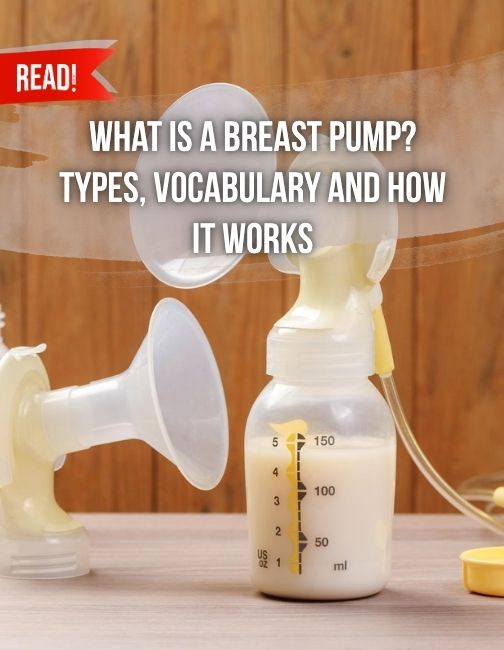
If you’re a new parent in Malaysia, chances are someone has already asked you: “Confinement lady help you pump ke, or you DIY?” Before you can even answer that question properly, let us helps to understand what a breast pump actually is, what the different types are called, and which words on the packaging actually matter.
This guide breaks down the basics in plain English, so you can shop with confidence instead of just picking whichever box looks the nicest at the specialised baby store or pharmacy.
Key Takeaways
- A breast pump is a device that helps express (remove) breast milk from the breast, either by hand-operated suction or an electric motor.
- The three main types sold in Malaysia are manual, electric, and wearable (hands-free)
- Words like flange, let-down, and closed system show up on almost every product listing, knowing what they mean helps you compare products properly.
- A breast pump is generally not required to be MDA-registered in Malaysia unless it makes specific therapeutic claims, but the power adapter should carry ST-SIRIM certification.
- Understanding pump vocabulary now makes it much easier to compare specific brands and models later.
What Does “Breast Pump” Actually Mean?
A breast pump is a manual or electric device that applies gentle suction to draw milk out of the breast. Parents use them to build a milk supply, relieve engorgement, feed a baby who can’t latch directly, or simply keep feeding going after returning to work.
The word “express” is doing a lot of work in this space. When a package says a pump “expresses milk efficiently,” it just means it removes milk from the breast, not that it does it quickly, necessarily. It’s one of those business-English words that sounds technical but has a very ordinary meaning underneath.
The Three Main Types of Breast Pumps
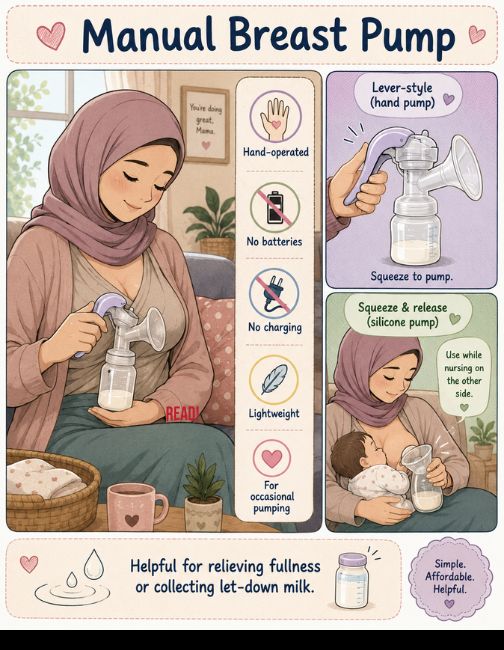
Manual Breast Pump
Operated entirely by hand, usually with a lever or a squeeze-and-release silicone base. No batteries, no charging.
Who Might Choose This Model? A mother who only pumps occasionally, such as relieving engorgement or collecting let-down milk from the opposite breast while nursing, often reaches for a manual pump because it’s light, cheap, and doesn’t need power.
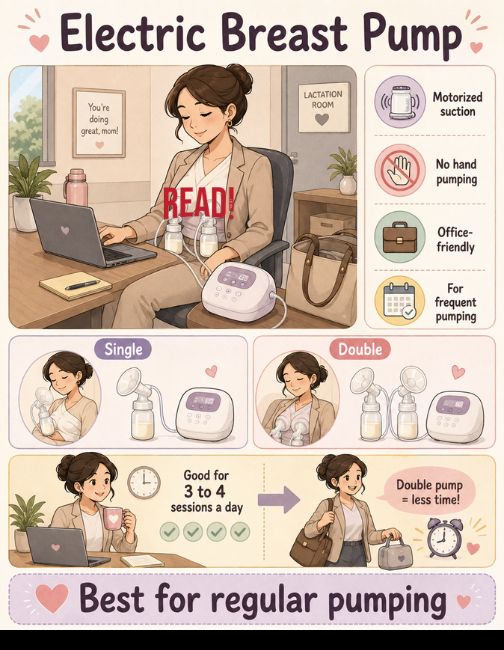
Electric Breast Pump
Uses a motor to create suction automatically and comes in single (one breast at a time) or double (both breasts simultaneously) versions.
Who Might Choose This Model? A working mother who pumps three to four times a day at the office will usually choose a double electric pump because it cuts pumping time roughly in half compared with a single pump.
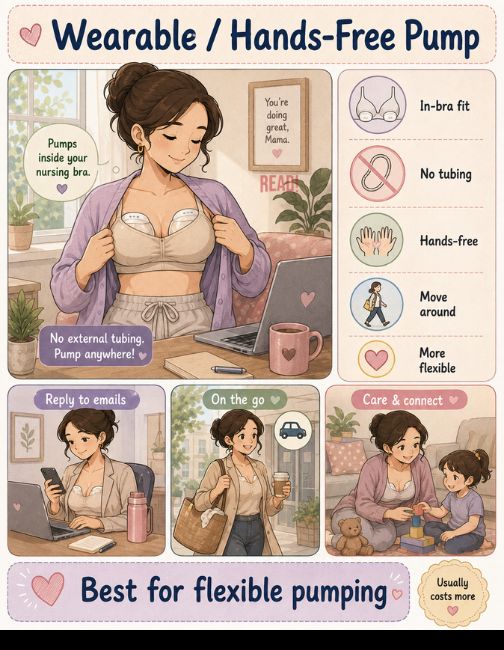
Wearable / Hands-Free Pump
Fits inside a nursing bra with no external tubing, letting you move around while pumping.
Who Might Choose This Model? A mother who needs to reply to emails, drive, or watch an older child while pumping will lean toward a wearable pump for the flexibility, even though it usually costs more than a standard electric pump.
Key Breast Pump Vocabulary Every Malaysian Parent Should Know
Since this is exactly the kind of everyday vocabulary-building we love at READ, here are the terms worth learning before you shop:
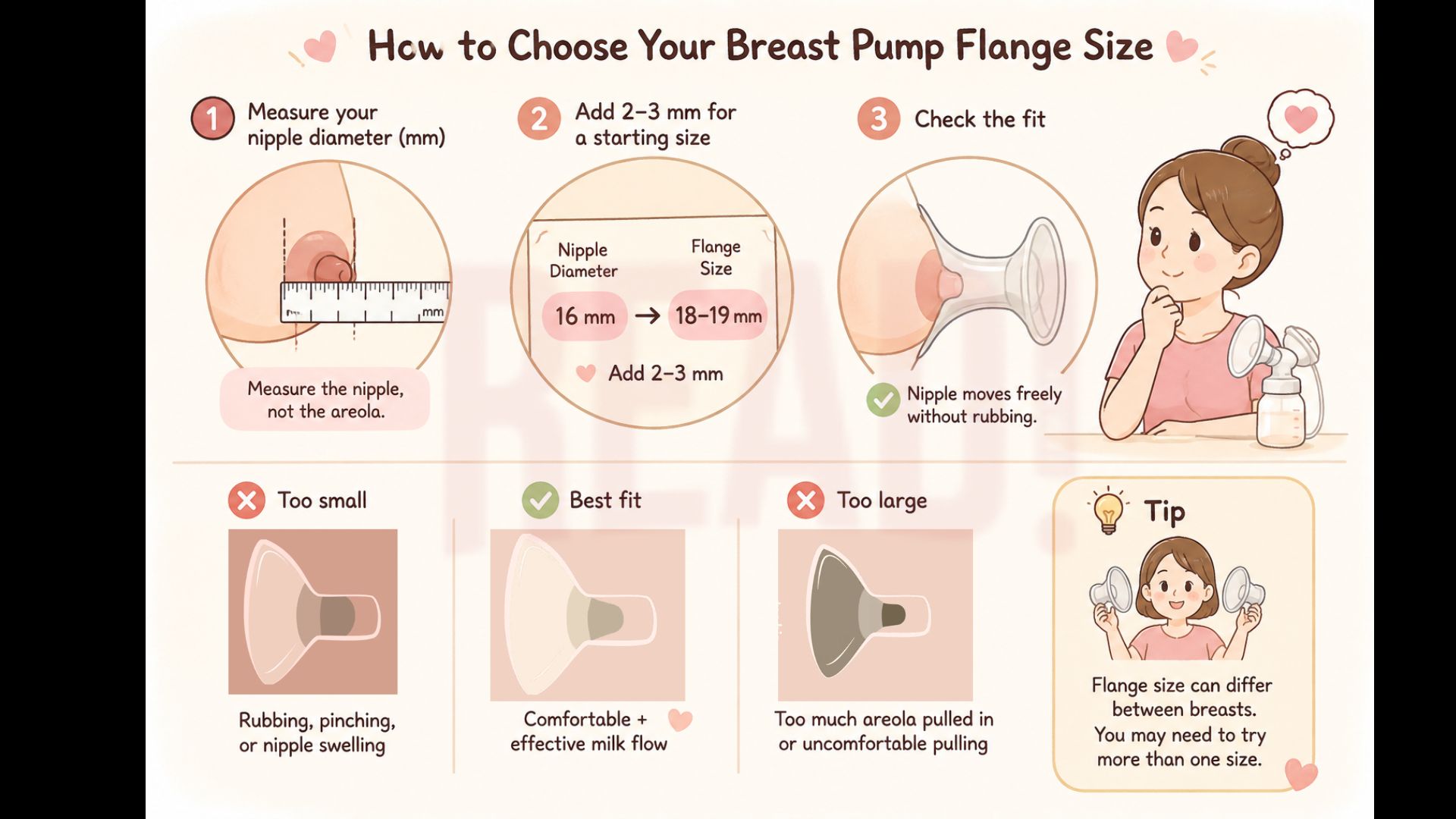
- Flange (or breast shield): The funnel-shaped part that fits over the nipple and areola. Getting the size right affects both comfort and how much milk you actually collect.
- Let-down: The reflex that releases milk from the breast, often felt as a tingling or pressure sensation.
- Closed system: A pump design where a barrier prevents milk from ever entering the tubing or motor, better hygiene, easier cleaning.
- 2-Phase Expression Technology: A pumping pattern that mimics how a baby naturally sucks: fast and light at first, then slower and deeper once let-down happens.
- ST-SIRIM: The Malaysian safety certification mark for electrical products, including the power adapters used with electric breast pumps.
How Does a Breast Pump Actually Work?
At a basic level, every breast pump no matter manual or electric works the same way: a flange creates a seal around the breast, and a vacuum (created by hand or motor) draws milk down through a tube or directly into a collection container.
The difference between a good and a mediocre pumping session usually comes down to three things: correct flange size, suction strength that’s comfortable rather than painful, and consistency of use. A pump can be expensive and still feel ineffective if the flange doesn’t fit properly, which is exactly why sizing gets its own conversation later in this series.

Quick Recap
Manual = hand-powered, light and simple.
Electric = motorised, single or double.
Wearable = hands-free, worn inside the bra.
All three rely on the same basic flange-and-suction mechanism.
Manual vs Electric vs Wearable: Which Should You Actually Get?
Knowing the definitions is only step one. The real question most parents have is which type actually fits their daily routine, budget, and how often they’ll realistically be pumping. We’ve broken that decision down properly, comparing cost, convenience, and lifestyle fit, in Manual vs Electric vs Wearable Breast Pump: Which One Should You Choose?
Conclusion
A breast pump isn’t a one-size-fits-all product. The “best” one depends entirely on how often you plan to use it and the kind of day-to-day routine you have. Now that you know the vocabulary and the main categories, you’re in a much better position to compare real products instead of just guessing from marketing copy.
Speaking of marketing copy, spotting what phrases like “hospital-grade” or “clinically proven” actually mean (and don’t mean) is its own useful English skill. If you want to get sharper at reading between the lines of everyday and business English, browse more simple language guides on READ.
Disclaimer: This article is for general educational purposes and is not medical advice. For feeding concerns or health questions, please consult a lactation consultant or healthcare professional.
FAQs About Breast Pumps
Is a manual or electric breast pump better for beginners?
Neither is universally “better” , a manual pump is cheaper and simpler for occasional use, while an electric pump suits parents who need to pump regularly, such as returning to work.
Do I need a breast pump if I'm breastfeeding directly?
Not necessarily. Many mothers who nurse directly without issues never need one, while others use a pump to build a stash, relieve engorgement, or share feeding duties.
What does "closed system" mean and why does it matter?
It means a barrier stops milk from reaching the tubing or motor, which reduces the risk of mould or bacteria build-up and makes the pump easier to clean.
Are wearable breast pumps as effective as electric pumps with tubing?
Not always. Traditional electric pumps with tubing are generally more effective at maximising milk removal, particularly for regular or exclusive pumping. They typically provide stronger, more consistent suction and more precise control over pumping settings. Wearable pumps can still be highly effective, but their performance varies more depending on the model, flange fit, suction settings, and how well your body responds to the pump. For occasional or on-the-go pumping, a wearable may offer a better balance of effectiveness and convenience.
Does a breast pump need to be MDA-registered in Malaysia?
Standard breast pumps are generally not required to be MDA-registered unless they make specific therapeutic claims. It’s still worth buying from an authorised retailer for warranty and genuine parts.