

A mantra is often described as a short word or phrase people repeat to steady their thoughts or reinforce a belief. You may hear it in meditation, personal development, or even pop songs.
While the word has spiritual roots, its meaning today is much broader. Understanding what mantra really means helps you use it correctly, whether you’re learning vocabulary, reading lyrics, or expressing personal values.
What is the Meaning of “Mantra”?
A mantra is a word, phrase, or sound that is repeated to help focus the mind or reinforce a belief.
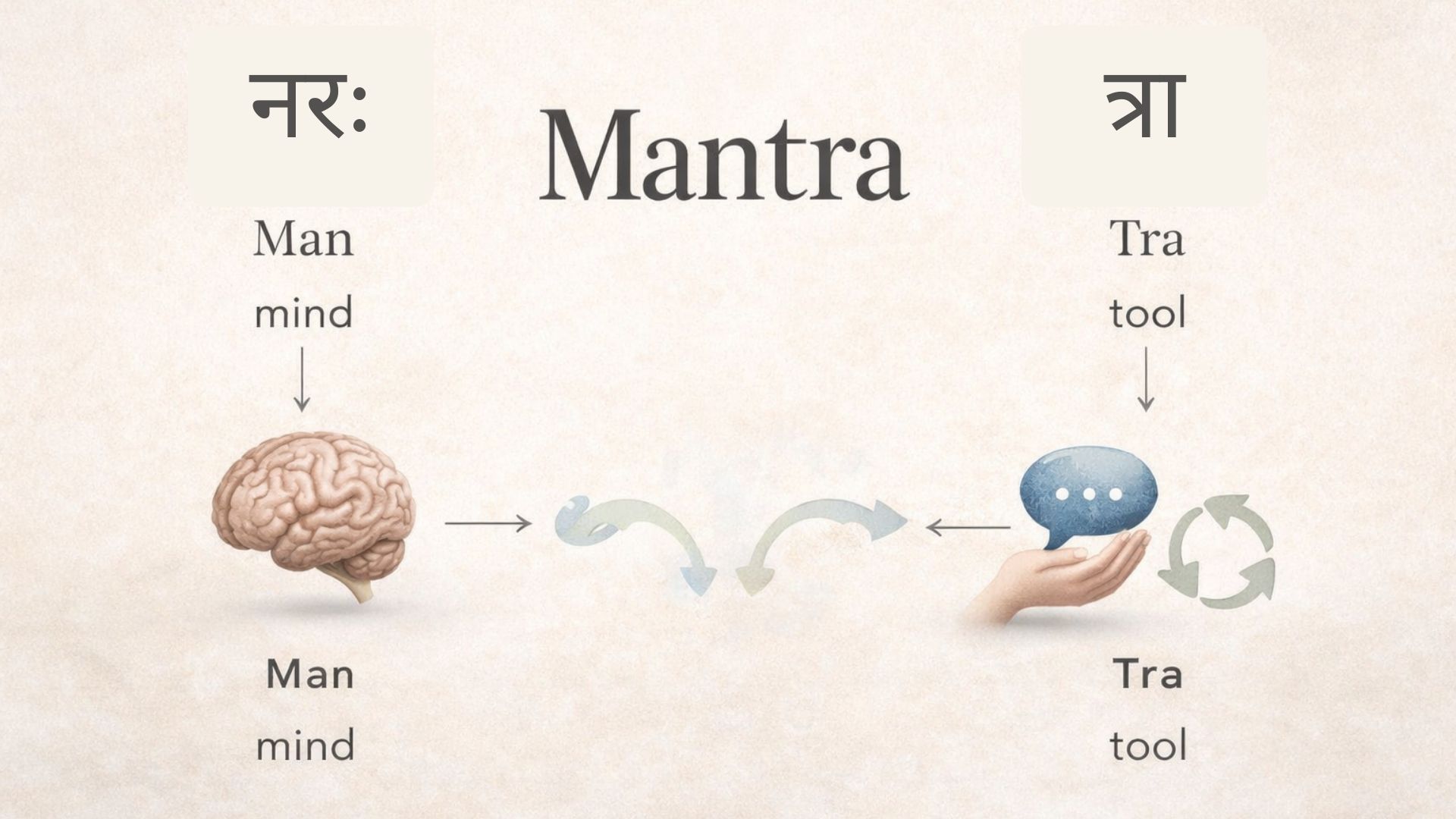
The word mantra comes from Sanskrit:
- “Man” means mind
- “Tra” means tool or instrument
So, the original mantra meaning is a tool for the mind.
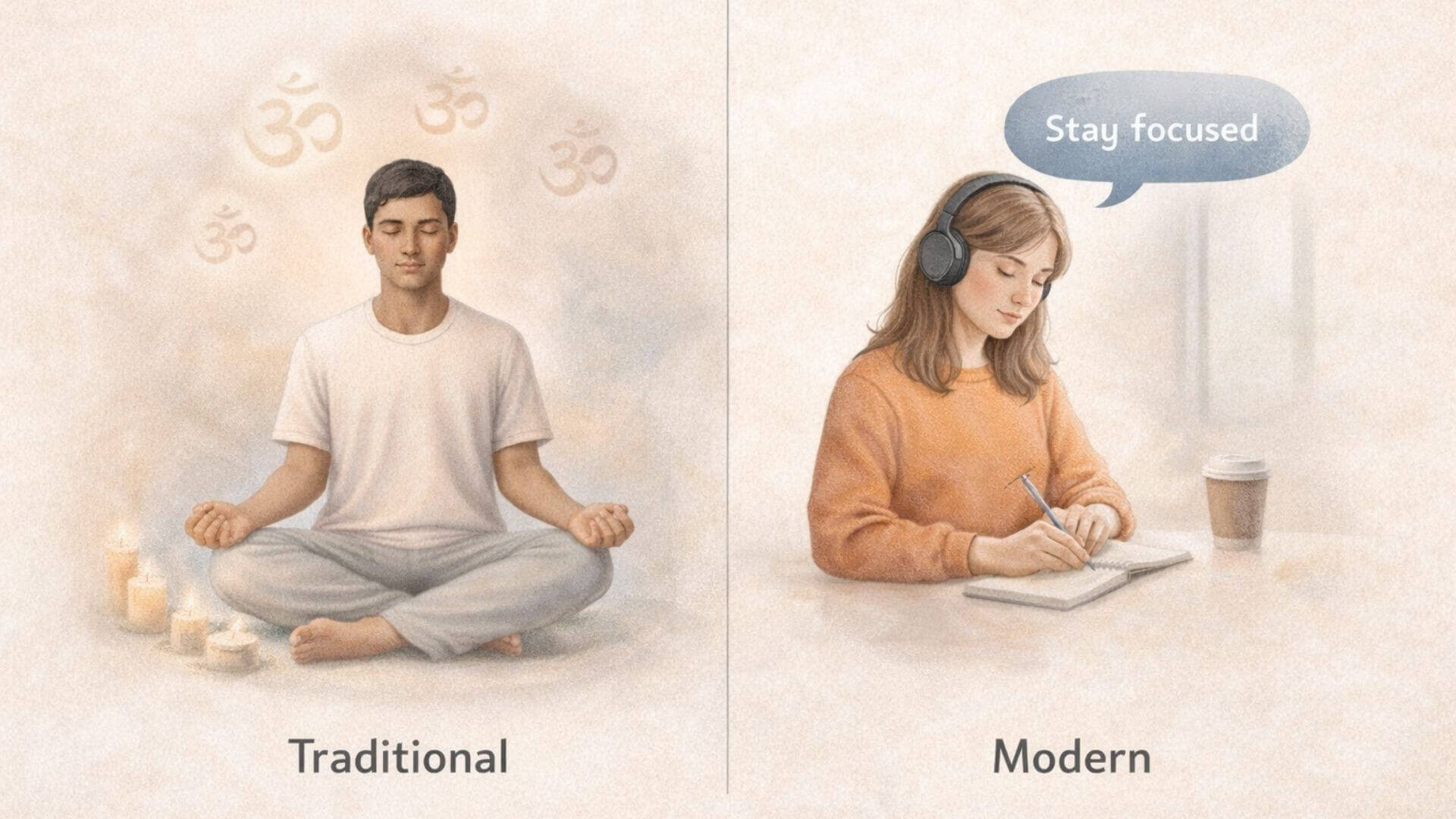
Today, the word is used more broadly. A mantra can be spiritual, motivational, or even practical, depending on context.
How is the Word “Mantra” Used Today?
In modern English, mantra is no longer limited to religious use.
It commonly appears in:
- Self-improvement and mindfulness
- Sports and performance psychology
- Business and leadership language
- Daily motivation or personal habits
Example sentences:
- “Consistency is my mantra this year.”
- “Her mantra is to stay calm under pressure.”
- “The team adopted safety as their mantra.”
In these cases, mantra means a guiding principle, not a chant.
What Does “Mantra” Mean in Jennie’s Song?
In pop music, the word mantra is often used symbolically, rather than spiritually. This is also the case in Jennie’s song Mantra.
In the song, mantra does not refer to a religious chant. Instead, it represents:
- A repeated belief
- A personal rule
- A mindset the speaker lives by
When Jennie uses the word mantra, it reflects self-confidence, independence, and self-reminder. The repetition in the lyrics mirrors the idea of a mantra itself, something you repeat to reinforce how you think or feel.
This shows how mantra functions today as a modern vocabulary word that expresses identity, mindset, and self-reminder.
Is a Mantra Always Religious?
No. A mantra does not have to be religious.
Traditionally, mantras are associated with Hinduism and Buddhism, where they are spoken or chanted during meditation or prayer. These mantras often use Sanskrit sounds believed to help concentration.
However, in everyday English:
- A mantra can be secular
- It can be personal
- It can be spoken silently or aloud
- It does not require belief in a religion
What matters is repetition and meaning, not origin.
Common Types of Mantras (With Examples)
1. Spiritual Mantras
Used in meditation or prayer.
Examples:
- “Om”
- “Om Mani Padme Hum”
These focus on calm, awareness, or compassion.
2. Motivational Mantras
Used to encourage confidence or discipline.
Examples:
- “Progress, not perfection.”
- “I can handle this.”
- “One step at a time.”
3. Personal Life Mantras
Used as reminders for values or behaviour.
Examples:
- “Be kind, even when it’s hard.”
- “Clarity over chaos.”
- “Do the work.”
4. Professional or Team Mantras
Used in workplaces or teams.
Examples:
- “Customer first.”
- “Safety above speed.”
- “Quality over quantity.”
How Do You Choose a Mantra?
A good mantra should be:
- Simple
- Easy to remember
- Meaningful to you
- Positive or grounding
You do not need complex words. Short phrases work best.
Ask yourself:
- What do I want to remind myself of?
- What feeling or habit do I want to reinforce?
- What words feel natural, not forced?
How Do You Use a Mantra?
There is no single correct way.
Common ways people use mantras:
- Repeating it silently during stress
- Saying it aloud during meditation
- Writing it down daily
- Using it as a mental reset during challenges
The goal is not perfection, but consistency.
Mantra vs Affirmation: What’s the Difference?
These two words are often confused.
| Term | Meaning |
| Mantra | A repeated phrase used for focus or guidance |
| Affirmation | A positive statement meant to shape belief |
Example:
- Mantra: “Breathe and stay present.”
- Affirmation: “I am calm and capable.”
A mantra can be an affirmation, but not all affirmations are mantras. Understanding this difference helps avoid using the words interchangeably when they don’t mean the same thing.
Can Anyone Use a Mantra?
Yes. You do not need:
- Special training
- Meditation experience
A mantra is simply a language tool to help guide thought and behaviour.
Conclusion: Understanding the Meaning of Mantra
The meaning of mantra has evolved over time. While it began as a spiritual concept, today it also refers to any phrase that helps focus the mind, reinforce values, or stay grounded.
Jennie’s Mantra shows how traditional words take on new meanings in modern English, especially through music and pop culture.
Whether used in meditation, daily life, or personal growth, a mantra works best when it is simple, meaningful, and repeated with intention.
At Read.com.my, our Language Learning Hub helps learners understand not just what words mean, but how they are actually used in real situations, so vocabulary feels practical, not abstract.