
Feng Shui Bedroom: Comfort, Placement, and Positive Energy

Facebook
LinkedIn
Twitter
WhatsApp
Email
Table of Contents
Japan Sabi Style bedroom

Key Takeaways

  • Feng shui bedroom principles focus on comfort, safety, and quality sleep, not superstition.
  • Good bed placement reduces subconscious stress and improves rest.
  • Many traditional feng shui rules have practical psychological explanations.
  • Certain shapes, colours, and materials consistently promote comfort and balance.
  • Discomfort in a bedroom often comes from visual clutter and sensory overload.
F eng shui bedroom design is about creating a space where the body and mind can fully rest. In traditional terms, this is described as allowing positive energy to flow. In practical terms, it means reducing tension, unpredictability, and discomfort that interfere with sleep. A bedroom is different from other rooms. It is not for productivity or stimulation. Any design choice that keeps the brain alert, even subtly, works against its purpose. Feng shui offers a framework to recognise and reduce these issues.

What Positive Energy Means in a Feng Shui Bedroom

Positive energy in a feng shui bedroom does not mean luck or wealth. It refers to how the space makes you feel when you lie down at night. A bedroom with good energy usually:
  • Feels calm the moment you enter
  • Has predictable lighting and shadows
  • Allows easy movement without obstacles
  • Does not surprise or startle you when waking up
When these conditions are met, the nervous system relaxes. That is why feng shui places so much emphasis on placement and balance.

Bed Placement: The Foundation of Bedroom Feng Shui

The bed is the most important item in a feng shui bedroom. It represents rest, recovery, and personal security. Good placement generally includes:
  • A solid wall behind the headboard for support
  • A clear view of the door without being directly aligned with it
  • Space on both sides of the bed, when possible
These placements reduce vulnerability. Even without knowing feng shui, most people sleep better when the bed feels stable and protected.

Old Feng Shui Sayings Explained in a Practical Way

Many feng shui bedroom rules came from observation, not superstition. Over time, explanations were simplified, but the effects remained real.

Why Mirrors Facing the Bed Are Discouraged

Older generations often warned against mirrors facing the bed. The practical reason is related to how the brain reacts in low light. When waking suddenly, especially at night, seeing movement or a reflection can:
  • Trigger a startle response
  • Increase heart rate
  • Disrupt the transition back to sleep
Repeated disturbances reduce sleep quality. From a feng shui perspective, mirrors create visual instability, which translates into discomfort.

Why Sleeping Under Beams or Heavy Shelves Feels Unsettling

Traditional advice avoids beams or shelves above the bed. This is linked to perceived pressure.

Large overhead objects can cause:

  • Subconscious tension
  • A feeling of being weighed down
  • Reduced sense of safety

Even if structurally safe, the visual presence alone affects relaxation. Feng shui identifies this as oppressive energy, but the effect is psychological.

What is Always Considered Good in Feng Shui Bedroom Design

Certain elements consistently support comfort and balance in a bedroom. These principles appear across cultures and time.

Rounded and Soft Shapes

Round or curved objects feel gentler to the eye. They reduce visual sharpness and tension.

Examples include:

  • Rounded bedside tables
  • Curved lamps
  • Soft-edged headboards

Sharp corners aimed directly at the bed tend to feel aggressive, even if unnoticed consciously.

Warm and Natural Materials

Materials influence how a space feels physically and emotionally.

Feng shui bedrooms benefit from:

  • Wood instead of metal where possible
  • Fabric over glass for large surfaces
  • Natural textures that absorb sound and light

These materials reduce harsh reflections and create a sense of warmth.

Gentle Light and Subtle Shine

Light should support winding down, not stimulation.

Good choices include:

  • Warm-toned bulbs
  • Lamps instead of bright ceiling lights
  • Mild reflective surfaces, not strong glare

A small amount of shine feels uplifting. Too much creates alertness and restlessness.
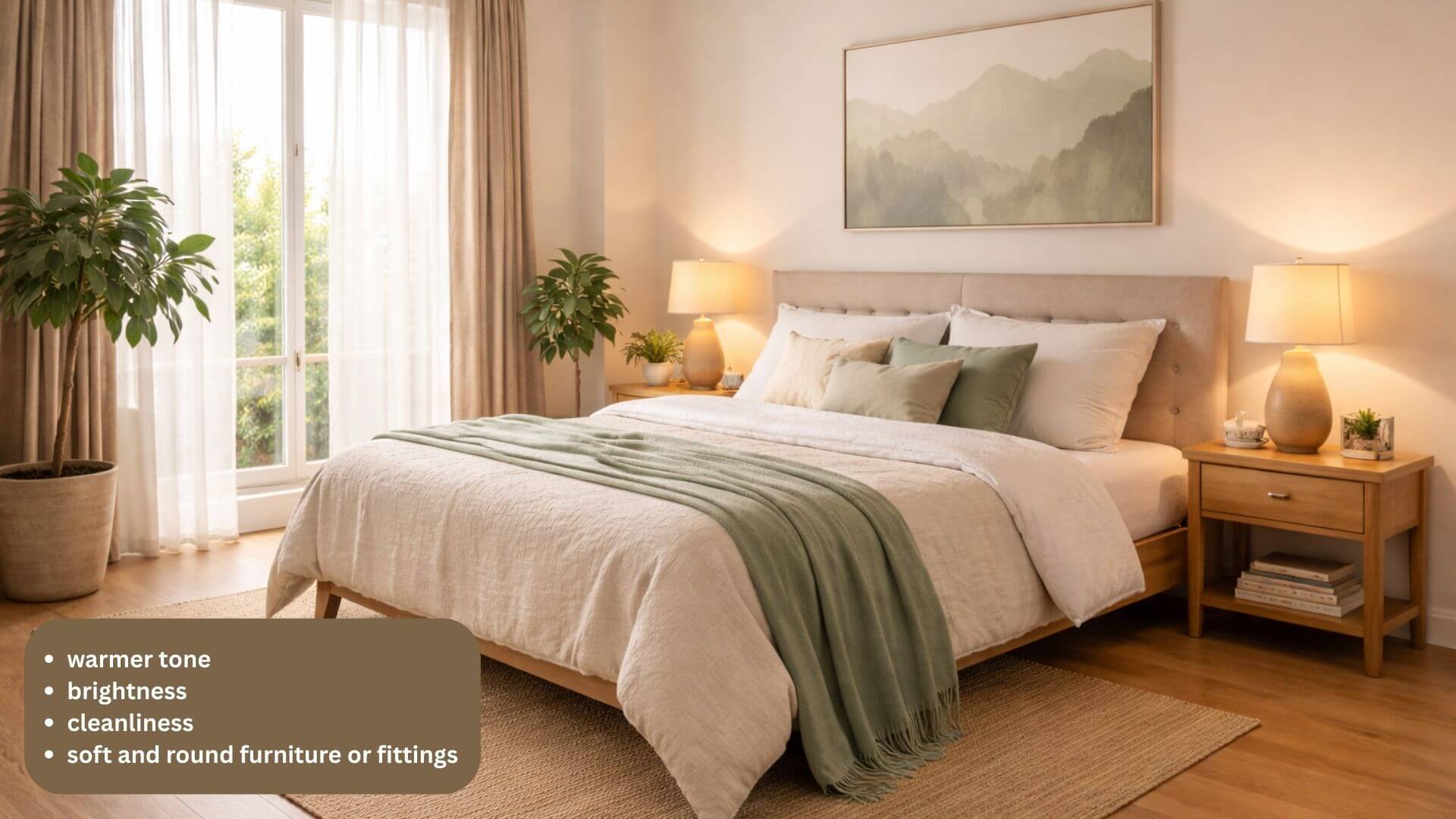
Comfortable feng shui bedroom with warm lighting, balanced layout, and relaxing atmosphere

Common Bedroom Features That Cause Discomfort

Bedrooms that feel unsettled often share similar issues.

Common problems include:

  • Too many electronic devices emitting light or noise
  • Clutter under the bed blocking airflow and movement
  • Furniture edges pointing directly at the sleeping area
  • Strong mirrors reflecting light unpredictably

In feng shui terms, these block or disturb energy. In everyday terms, they overstimulate the senses.
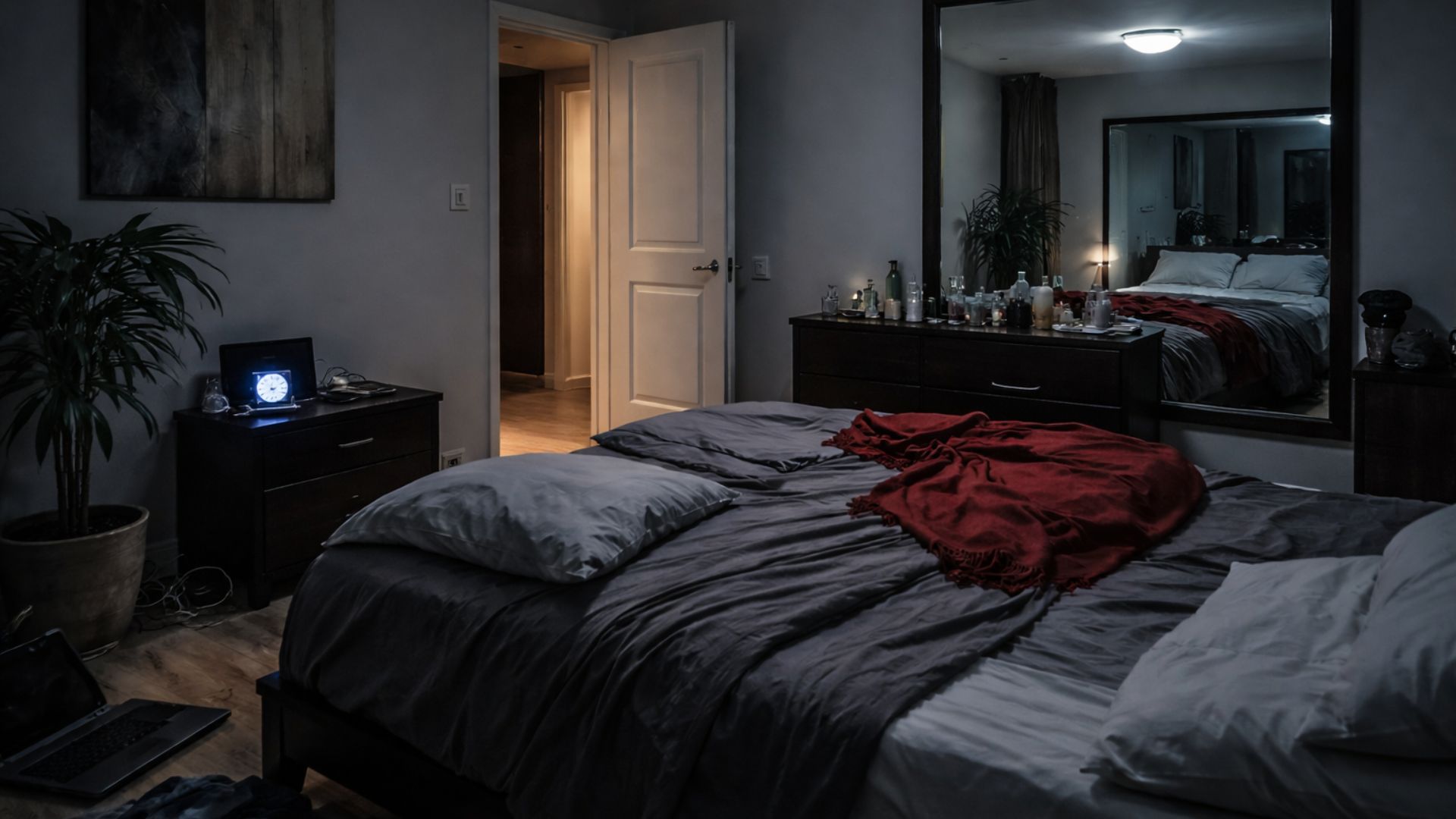
Consider uncomfortable bedroom layout with mirror facing bed and harsh lighting causing unease

Feng Shui Bedroom is About Living Well, Not Belief

When viewed clearly, feng shui bedroom principles align closely with modern sleep science and interior psychology.

Good feng shui supports how people actually rest, not how they wish to believe. Old advice lasted because it worked in daily life. Understanding the reasoning allows you to apply it thoughtfully, keeping what improves comfort and letting go of what does not suit your lifestyle.

Conclusion: Comfort First, Feng Shui Second

At its core, feng shui bedroom advice has always been about comfort, safety, and peace of mind. Many traditional rules exist because they reflect how people actually feel in a space, especially when they are tired, vulnerable, or waking up in the dark. When your bedroom feels calm, balanced, and familiar, good rest follows naturally.

Understanding these ideas also helps you see feng shui as a language of observation rather than superstition. Learning how old beliefs connect to everyday human behaviour makes them easier to remember and apply. If you enjoy breaking down traditional concepts into simple, practical explanations, exploring a language learning hub like Read.com.my can help you understand not just words, but the cultural meaning behind them, one topic at a time.


FAQs About Feng Shui Bedroom

What is feng shui bedroom design?

It is the practice of arranging bedroom space to support comfort, calm, and quality sleep by reducing visual, physical, and psychological stress.

Does feng shui bedroom affect sleep quality?

Yes. Good placement, lighting, and balance help the body relax, which improves sleep consistency and depth.

Why are mirrors facing the bed considered bad feng shui?

They can cause visual disturbance when waking, leading to startle responses and interrupted sleep.

Is feng shui bedroom about superstition?

No. Many principles are based on comfort, safety, and human perception rather than belief.

What colours work best in a feng shui bedroom?

Neutral, earthy, or warm tones tend to reduce stimulation and support relaxation.

Can modern bedrooms still follow feng shui?

Yes. Feng shui adapts well to modern living when applied with understanding rather than rigid rules.

Related Post