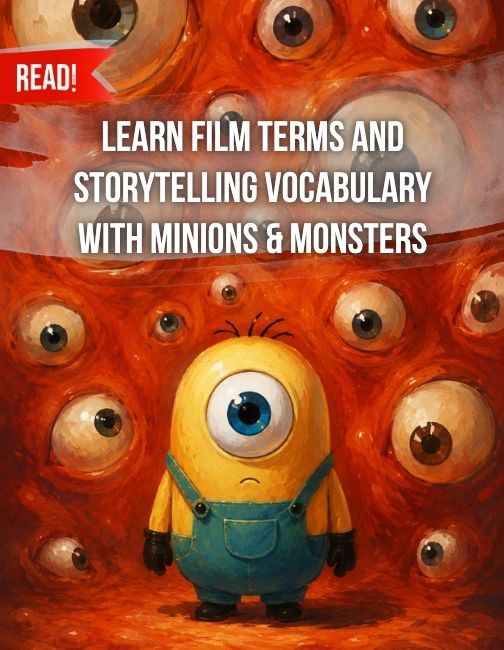
Watching movies is one of the most enjoyable and effective ways to improve English learning. Besides learning everyday expressions, movies also introduce us to professional vocabulary used in the entertainment industry.
The latest animated adventure, Minions & Monsters, brings the famous Minions into the world of filmmaking. The story follows the Minions as they enter Hollywood in the 1920s and search for monsters to appear in their own monster movie.
For English learners, this animation production is a fun opportunity to explore useful vocabulary related to animation, filmmaking, storytelling, and cinema production.
Let’s explore some of the most important film terms through scenes from the movie.
1. Character Design: Creating Memorable Movie Characters
What does “Character Design” mean?
Character design is the process of creating a character’s complete visual identity. Professional designers do much more than decide what a character should look like. They carefully consider the character’s body shape, colours, facial expressions, clothing, movement, posture, and even the emotions the audience should feel the first time the character appears on screen.
A successful character design tells a story before the character even says a word.
Pixar, Disney, DreamWorks, and Illumination all invest months, sometimes years, perfecting a single character because every visual detail communicates personality.
How Minions & Monsters demonstrates Character Design
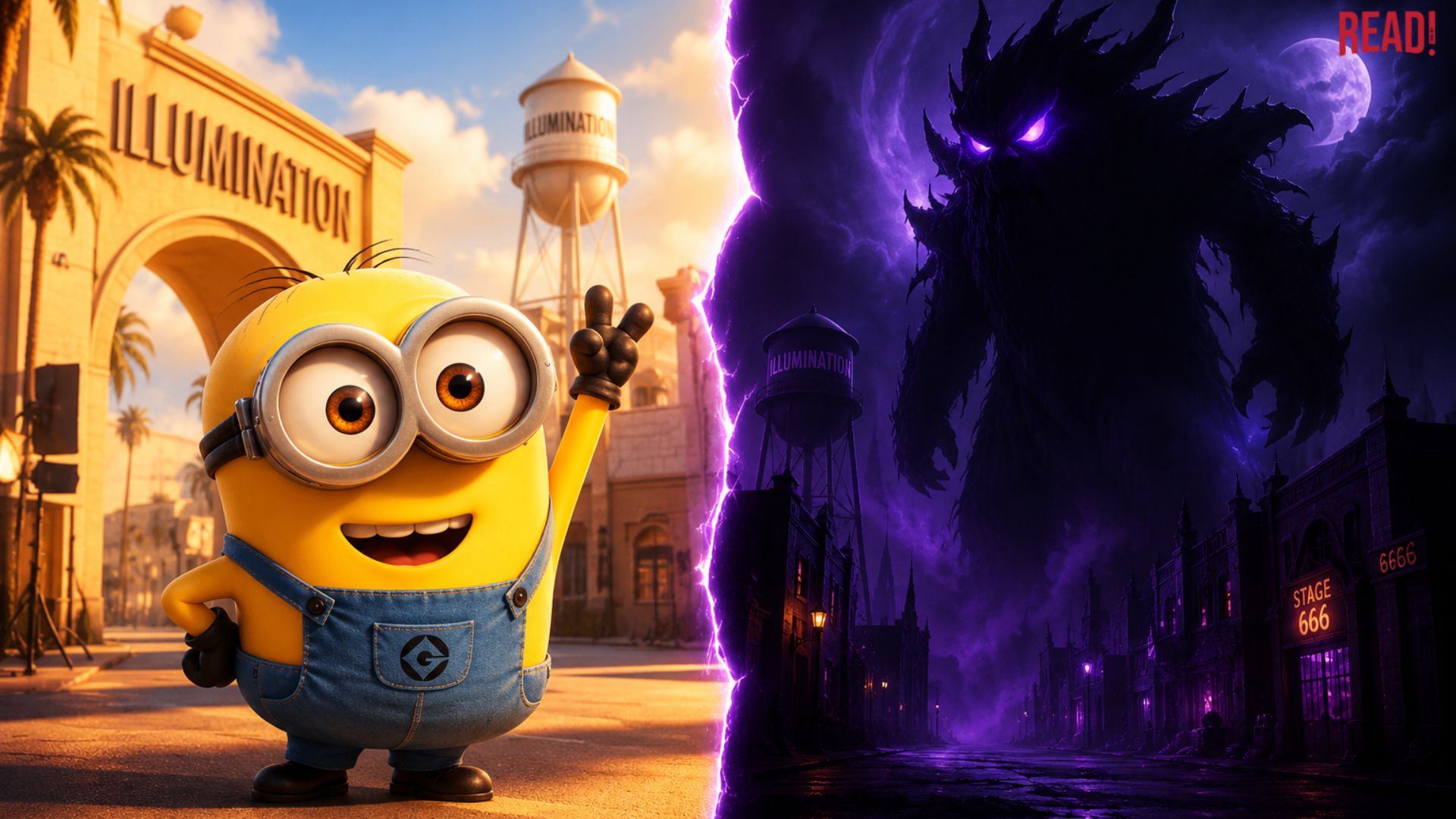
One of the earliest sequences in Hollywood introduces the Minions as tiny, energetic characters walking among towering studio sets, directors, actors, and eventually frightening monster performers. Although the environment becomes increasingly dark and dramatic, the Minions never lose their bright yellow colour palette, rounded body shapes, and oversized goggles.
This contrast is intentional.
The filmmakers use colour psychology and shape language to create an immediate visual difference:
- The Minions appear friendly, playful, and harmless;
- The monsters are designed with sharper silhouettes, darker colours, larger bodies, and dramatic facial features.
Without any explanation, audiences instantly understand who brings comedy and who creates suspense.
This is an excellent example of how professional animators communicate through visuals instead of dialogue.
Professional English Expressions
Instead of saying:
“The Minions look funny.”
Native English speakers discussing animation would naturally say:
“The character design immediately distinguishes the Minions from the monsters, allowing the audience to recognise their personalities at first glance.”
“Their rounded silhouettes and bright colours create a striking visual contrast against the darker monster designs, making every shared scene more engaging.”
“Even before the characters interact, the audience already understands who represents innocence and who represents danger.”
Useful Vocabulary
Word | Meaning |
silhouette | the outline of a character that makes it recognisable |
| visual identity | the complete appearance of a character |
colour palette | the collection of colours used throughout the design |
| exaggerated proportions | intentionally unrealistic body features for stronger visual impact |
expressive animation | movements that clearly communicate emotion |
Character design gives every character a unique personality, but great animation doesn’t stop there. Once the characters are created, animators must decide how they move, express emotions, and interact with their surroundings. This is where animation style plays a crucial role in bringing the story to life.
2. Animation Style: How Visuals Bring Stories to Life
What is Animation Style?
Animation style refers to the artistic approach used to bring a story to life. It includes the way characters move, the colour palette, lighting, camera angles, background artwork, and even the pacing of each scene. Different animation studios develop their own distinctive styles to create a unique viewing experience.
For example, some animated films aim for highly realistic visuals, while others deliberately exaggerate facial expressions and body movements to create humour. Animation style also influences how audiences feel throughout the movie. Bright colours and smooth character movements often create a cheerful atmosphere, whereas darker tones and dramatic lighting can build suspense or mystery.
A consistent animation style helps audiences immediately recognise a studio’s creative identity and makes the story feel believable within its own world.
How Minions & Monsters demonstrates Animation Style
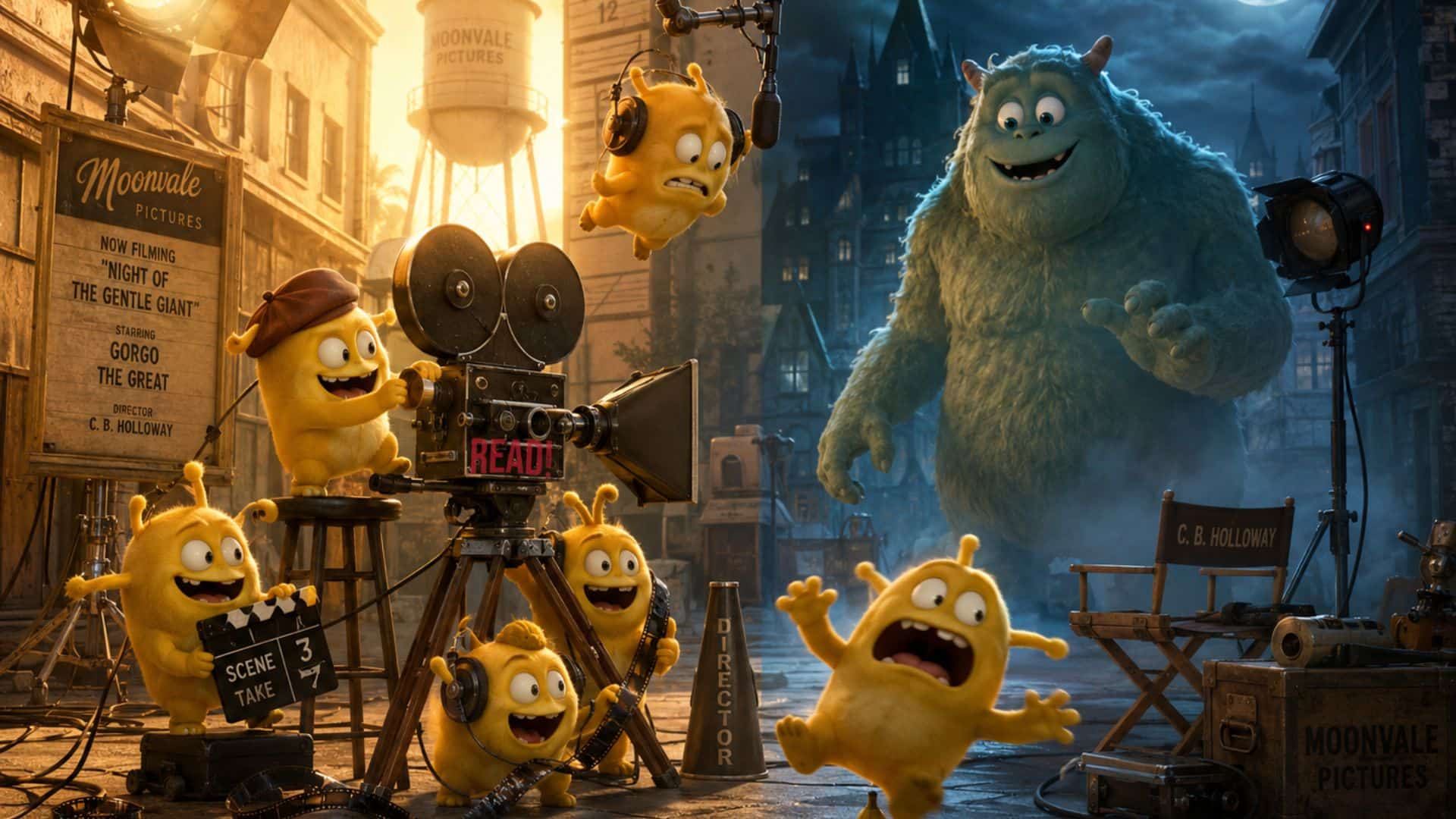
Throughout the film, the animation pays tribute to classic Hollywood while maintaining the playful style that audiences associate with the Minions franchise. As the Minions explore bustling film studios, grand animated film sets, and encounters with larger-than-life monsters, the visuals constantly balance comedy with adventure.
Notice how the filmmakers use warm golden colours during scenes inside the Hollywood studios to create a nostalgic atmosphere. Later, when the monsters begin to take over, the lighting becomes darker, shadows become more dramatic, and the camera movements become faster to increase tension. Even though the mood changes, the Minions’ exaggerated facial expressions and energetic movements keep the film light-hearted and entertaining.
These artistic choices demonstrate how animation style supports storytelling without requiring lengthy explanations.
Professional English Expressions
Instead of saying:
“The animation looks nice.”
Native English speakers are more likely to say:
“The animation style perfectly balances nostalgic Hollywood aesthetics with modern visual storytelling.”
“The expressive character animation allows viewers to understand each emotion, even when there is very little dialogue.”
“The film’s vibrant colour palette creates an energetic atmosphere while still leaving room for moments of suspense.”
“The visual consistency helps audiences stay immersed throughout the story.”
Useful Vocabulary
Word | Meaning |
visual storytelling | telling a story through images rather than dialogue |
| artistic direction | the overall creative visual style of a film |
colour grading | adjusting colours to create a specific mood |
| expressive movement | body language that clearly shows emotion |
visual consistency | maintaining the same artistic style throughout the movie |
3. Visual Effects (VFX): Making Movie Magic Possible
What are Visual Effects?
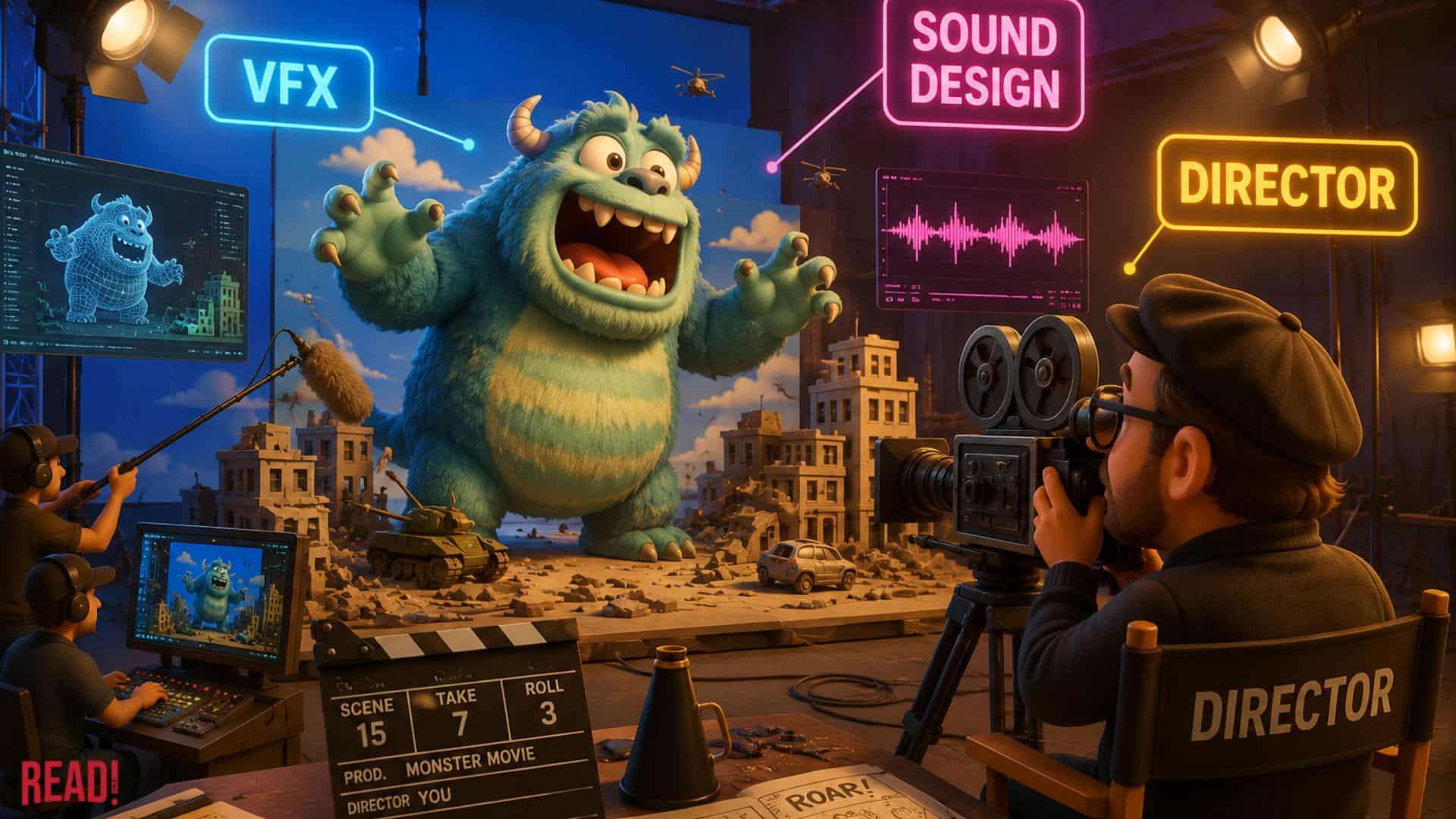
Visual Effects, commonly known as VFX, are digital techniques used to create images or scenes that would be difficult, dangerous, or even impossible to film in real life. In modern animation, visual effects are responsible for enhancing explosions, magical transformations, weather conditions, lighting, smoke, shadows, and many other cinematic elements.
Although audiences often focus on the main characters, visual effects play an equally important role in making animated worlds feel believable. Good VFX should enhance the story without distracting viewers from it.
How Minions & Monsters demonstrates Visual Effects
As the story shifts from ordinary film production to encounters with real monsters, the visual effects become increasingly important. Dramatic lighting, swirling smoke, environmental destruction, and dynamic action sequences all contribute to making the monsters feel powerful without overwhelming the Minions’ comedic performances.
The filmmakers carefully combine colourful animation with cinematic visual effects so that every action scene feels exciting while remaining suitable for family audiences. Rather than relying solely on loud explosions, the film uses lighting, atmosphere, and movement to create excitement.
Professional English Expressions
Instead of saying:
“The effects are cool.”
Try saying:
“The visual effects enhance the action without overshadowing the characters.”
“The lighting and particle effects make the monster sequences feel more immersive.”
“The VFX seamlessly blends with the animation, creating a believable fantasy world.”
“The filmmakers use visual effects to build suspense while maintaining the film’s playful tone.”
Useful Vocabulary
| Word | Meaning |
| CGI (Computer-Generated Imagery) | computer-created graphics used in films |
| particle effects | digital effects for smoke, sparks, dust, fire, or rain |
| rendering | producing the final animated image |
| immersive | making viewers feel part of the story |
| cinematic atmosphere | the mood created through lighting, sound, and visual effects |
While modern technology makes today’s animated movies visually impressive, Minions & Monsters also celebrates the rich history of cinema. Throughout the film, audiences can spot references to classic Hollywood and early filmmaking techniques that have influenced generations of filmmakers.
4. Hollywood and the History of Filmmaking
One interesting part of Minions & Monsters is its connection to the history of cinema. The movie explores the early days of Hollywood and pays tribute to classic filmmaking.
Silent Film Era
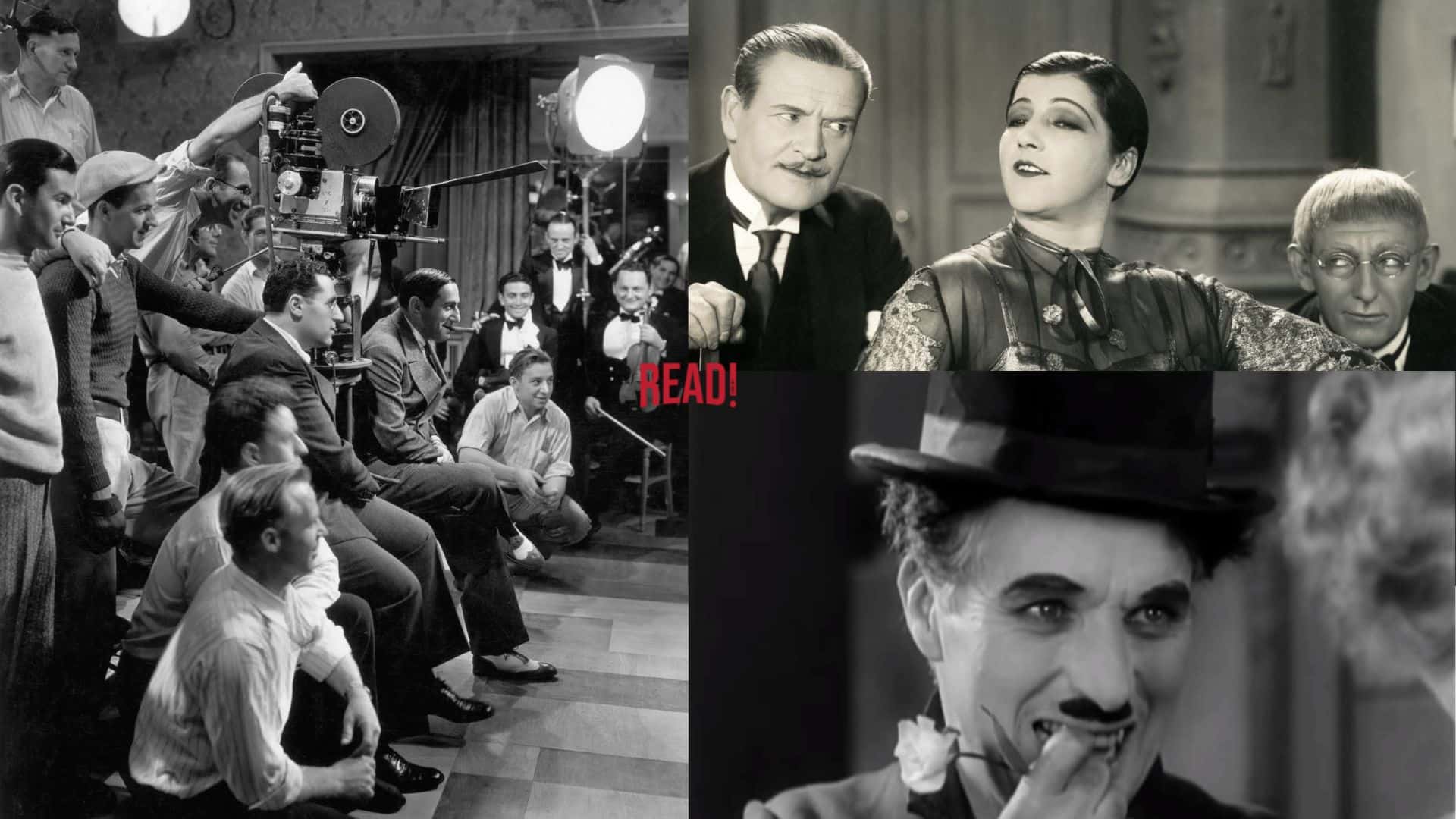
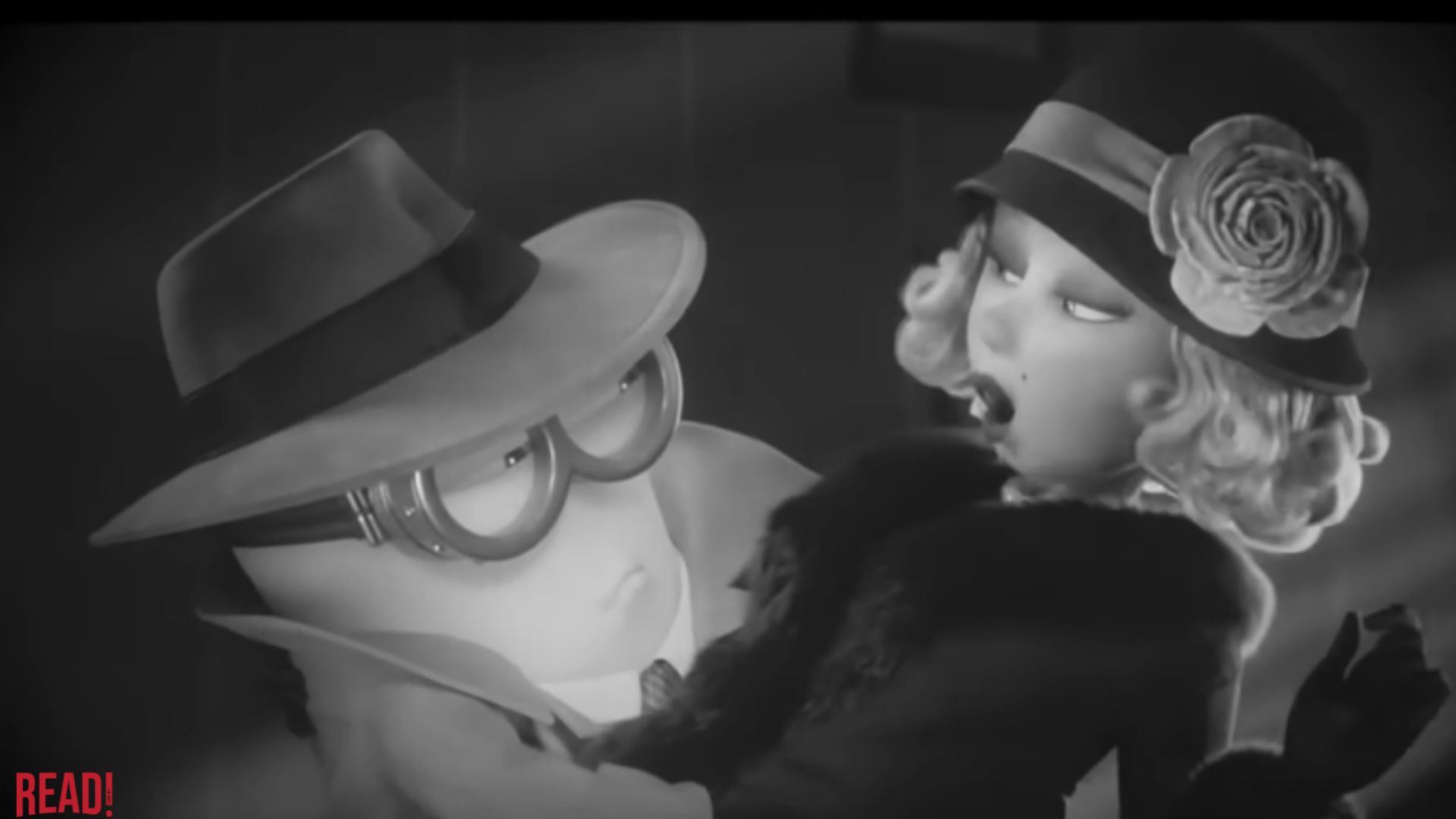
The Silent Film Era refers to the early period of cinema, before movies featured recorded dialogue. Actors relied on expressive facial expressions, exaggerated body language, title cards, and music to tell stories. Because dialogue was limited, visual storytelling became the heart of every performance.
How Minions & Monsters demonstrates this
Many of the Minions’ funniest moments work in the same way as classic silent films. Even without clear dialogue, audiences can understand what is happening simply by watching the characters’ movements, reactions, and expressions.
Professional Expression
“The film pays tribute to the silent film era by relying on expressive visual storytelling instead of lengthy conversations.”
Classic Movie References
Animated films often include references to older movies as a way of celebrating cinema history. These hidden details, known as homages or tributes, reward audiences who recognise famous scenes, characters, or filmmaking styles.
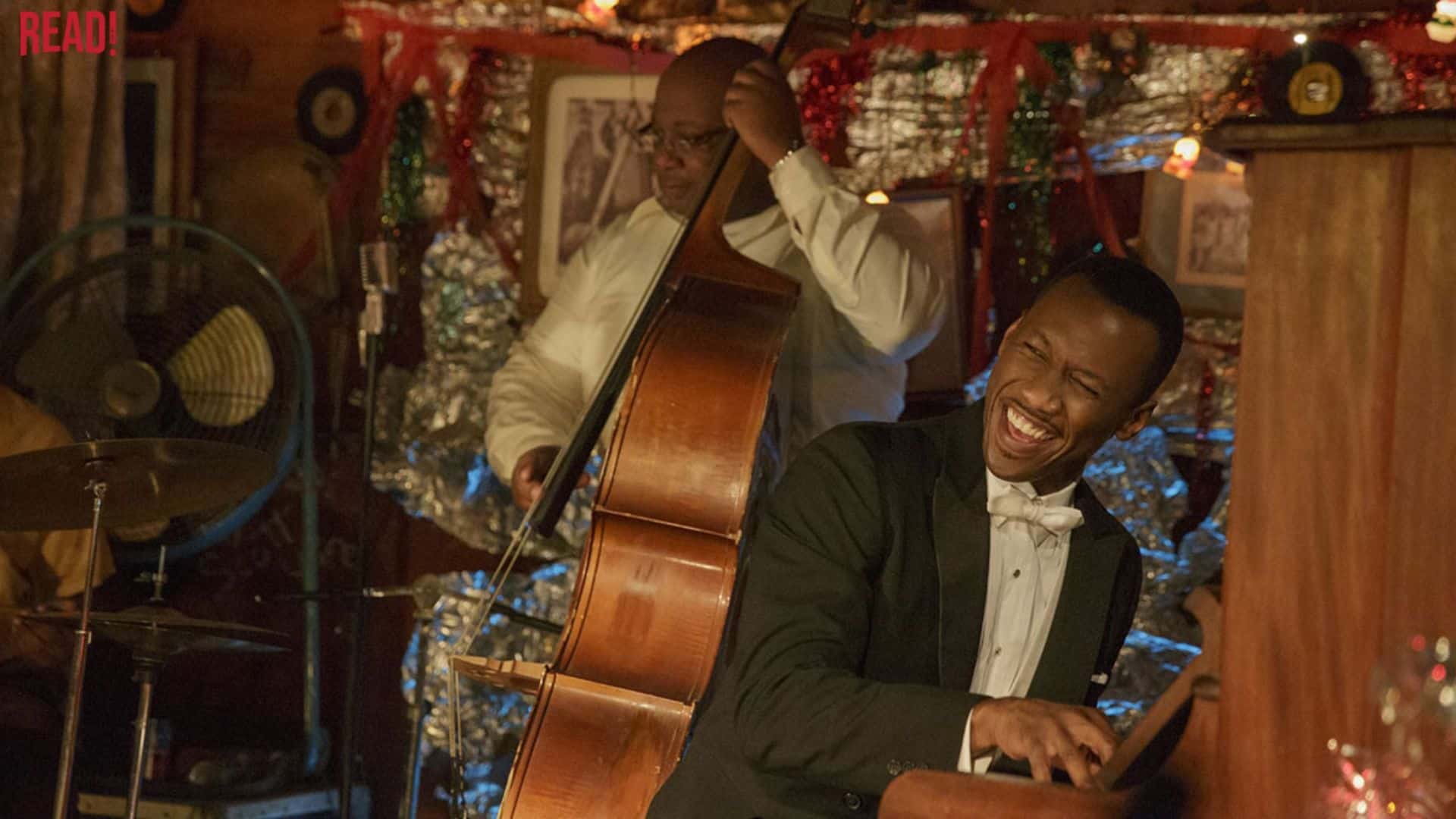
In Minions & Monsters, several scenes recreate the atmosphere of classic Hollywood monster movies while adding the Minions’ signature humour. Even younger viewers who don’t recognise the references can still enjoy the comedy, while film enthusiasts appreciate the nods to cinema history.
Professional Expression
“The movie blends modern animation with classic Hollywood influences, creating a fun experience for audiences of all ages.”
Besides, cameras and animation. A great movie also depends on how it tells its story and keeps audiences entertained. One of the biggest reasons the Minions franchise remains so popular is its clever use of comedy and visual storytelling.
5. Comedy and Storytelling Techniques
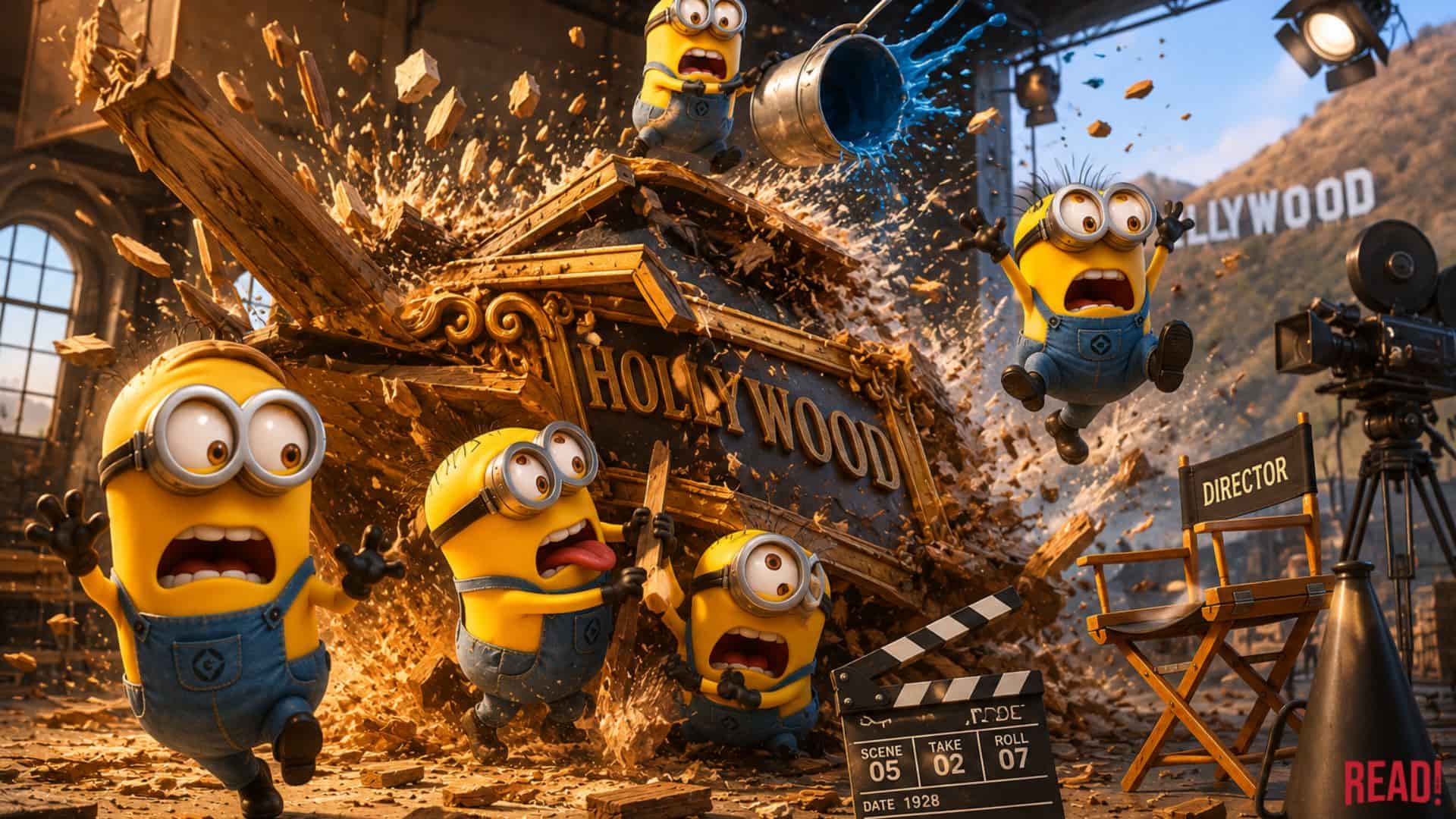
The Minions franchise is famous for physical comedy and visual humour. Minions & Monsters continues this tradition through funny situations, exaggerated movements, and creative storytelling.
Slapstick Comedy: What is Slapstick?
Slapstick is one of the oldest forms of comedy in film history. Instead of relying on clever dialogue, slapstick creates humour through exaggerated physical actions such as falling over, crashing into objects, chasing one another, or accidentally causing complete chaos.
Although these accidents would be painful in real life, animation exaggerates them so they become entertaining rather than frightening.
Legendary performers such as Charlie Chaplin, Harold Lloyd, and Buster Keaton became famous for mastering slapstick comedy. One reason Minions & Monsters has been praised by critics is that it deliberately recreates this style as a tribute to early Hollywood.
How the Movie Uses Slapstick
As the Minions try to establish themselves in Hollywood, their innocent attempts to help often trigger a chain reaction of disasters. A small mistake quickly grows into complete chaos, with props collapsing, actors running in every direction, and entire film sets descending into comic confusion.
The humour works because each action naturally leads to another, increasing the audience’s anticipation until the final punchline arrives.
Instead of explaining the joke through dialogue, the filmmakers rely on body language, facial expressions, timing, camera movement, and sound effects.
This style allows viewers from different countries to enjoy the comedy even if they don’t understand every spoken word.
Natural English Expressions
Rather than saying:
“The scene is very funny.”
Advanced speakers might say:
“The humour comes entirely from physical comedy rather than dialogue.”
“Every accident escalates naturally, turning a simple misunderstanding into complete mayhem.”
“The sequence perfectly captures the spirit of classic silent-film comedy.”
“The visual storytelling is so effective that subtitles are almost unnecessary.”
Comic Timing: What is Comic Timing?
Comic timing is the ability to deliver a joke or funny moment at exactly the right time. In animation, this depends on character movements, pauses, facial expressions, and sound effects working together.
How Minions & Monsters demonstrates this
Many of the funniest scenes begin with a small misunderstanding before quickly developing into complete chaos. The carefully timed reactions make the humour feel natural and keep audiences laughing throughout the film.
Professional Expression
“The joke lands perfectly because of the film’s excellent comic timing.”
Story Arc: What is a Story Arc?
A story arc is the overall journey of a story, showing how characters face challenges, grow through their experiences, and eventually reach a satisfying conclusion.
How Minions & Monsters demonstrates this
The Minions begin their journey dreaming of making movies in Hollywood. As they encounter unexpected monsters and increasingly difficult challenges, they learn teamwork, courage, and responsibility. This progression gives the film more emotional depth than a simple comedy.
Professional Expression
“The story arc gradually raises the stakes while allowing the Minions to grow as characters.”
After exploring storytelling techniques, let’s look behind the scenes. Every animated film is the result of hundreds of creative professionals working together. Understanding these production roles will help you discuss movies more confidently in English.
6. Movie Production Vocabulary
Behind every animated movie is a large team of creative professionals. Understanding these terms can help English learners talk about films more confidently.
| Film Term | Meaning | Example |
| Director | A director is responsible for turning a screenplay into a complete movie. They guide the creative vision by deciding how each scene should look, how characters should act, and how the story should unfold. | The director successfully balances humour with adventure, creating a film that is entertaining for audiences of all ages. |
| Producer | A person who oversees the entire filmmaking process (budget, schedule, coordination). While directors focus on creative decisions, producers ensure the project stays on track. | The producer coordinates the production team to ensure the movie is completed on time and within budget. |
| Voice Actor | A performer who brings animated characters to life using only their voice. Besides reading dialogue, they express emotions through tone, timing, laughter, and reactions, helping audiences connect with the characters. | A talented voice actor can make an animated character feel believable and memorable. |
| Sound Design | Creating and managing sounds used in a movie | Sound design makes scenes feel more realistic. |
| Background Music | Music added to support the mood of a scene | Background music creates excitement during action scenes. |
| Screenplay (Script) | A screenplay is the written plan for a movie. It contains the dialogue, actions, and scene descriptions that guide the entire production. A strong screenplay controls the pacing and keeps audiences interested. | The screenplay relies on visual storytelling rather than lengthy dialogue, making the story accessible to audiences worldwide. |
| Trailer | A short video that promotes an upcoming movie | The trailer introduces the main characters and story. |
Now that you’ve learned some essential film vocabulary, the next step is putting these words into practice. Watching movies actively, not just for entertainment, can significantly improve your English listening, speaking, and vocabulary skills.
Why Movies Are Great for Learning English
One of the biggest advantages of learning English through movies is that you experience vocabulary in context. Instead of memorising isolated words, you hear how native speakers use expressions naturally while following an engaging story. They help learners understand:
- Natural conversations
- Pronunciation and expressions
- Cultural references
- Professional vocabulary
- Storytelling techniques
When watching Minions & Monsters, try these learning methods:
- Write down new words and phrases.
- Repeat interesting lines from characters.
- Learn vocabulary by topic, such as animation or filmmaking.
- Discuss the movie with friends using new English expressions.
Conclusion
Movies offer far more than entertainment. Every scene introduces new vocabulary, storytelling techniques, and creative ideas that can help you become a more confident English speaker.
Minions & Monsters demonstrates how animation, humour, and filmmaking work together to tell a compelling story. By paying attention to professional film terms instead of only following the plot, you’ll gradually build the kind of vocabulary used by movie reviewers, filmmakers, and fluent English speakers.
The next time you watch an animated film, challenge yourself to notice not only what happens, but how the story is told. You’ll discover that every movie is also a valuable English lesson.